


The move marks a new chapter for the Unacademy founders as they shift from building an edtech company to investing in emerging businesses.
Unacademy co-founders Gaurav Munjal and Roman Saini are moving into venture capital with Longshot Capital, a proposed Rs 700 crore fund focused on early-stage artificial intelligence and deeptech startups, according to a report by The Economic Times.
The Bengaluru-based fund, registered as a Category II alternative investment fund (AIF), has reportedly secured commitments of around Rs 250 crore to Rs 300 crore, representing approximately 36% to 43% of its target. It is aiming for an initial close in January 2027, although the fundraising amount and timeline could change.
The plan comes less than two months after upGrad completed its all-stock acquisition of Unacademy, marking a new chapter for the founders as they move from building an edtech company to backing other businesses.
Longshot Capital Plans to Back AI and Deeptech Startups
According to the report, Longshot Capital plans to invest in 25 to 28 startups at the seed and pre-Series A stages. Initial investments are expected to range from $500,000 to $1.5 million, with the fund targeting ownership stakes of 8% to 12% in each company.
Its investment focus will include AI-led businesses and deeptech sectors such as manufacturing, space, defence, and robotics. Consumer brands and retail businesses will fall outside its stated investment mandate.
The fund plans to deploy its capital over three years, backing startups in India as well as businesses founded by entrepreneurs of Indian origin overseas. It is expected to have a lifespan of 10 to 11 years, giving companies in capital-intensive sectors more time to develop their technologies and bring them to market.
Prospective investors reportedly include startup founders, family offices, and overseas institutions.
Who Will Lead Longshot Capital?
Both Munjal and Saini will serve as general partners of the fund. Saini is expected to manage Longshot Capital full-time, while Munjal will participate part-time alongside his role as CEO of Unacademy.
Saini’s career has spanned medicine, public service, and entrepreneurship. He cleared the AIIMS medical entrance examination at 16 and the UPSC civil services examination at 22. He subsequently served as an IAS officer in Madhya Pradesh before leaving the service in 2015 to build Unacademy with Munjal and Hemesh Singh.
The new fund formalizes more than a decade of angel investing by the two founders. Together, they have reportedly invested over Rs 25 crore through more than 200 angel investments.
Their portfolio includes companies such as Pine Labs, Dhan, Seekho, Ultrahuman, Snabbit, Swish, STAGE, and Third Wave Coffee. In August, they also invested in Superleap, an AI-native customer relationship management platform.
Munjal has also defended India’s deeptech investment environment. On Sunday, he reportedly responded on X to criticism that Indian investors were reluctant to take risks on deeptech companies. He cited Astrobase, Airbound, and Sarvam AI as examples of startups that had raised large funding rounds within short periods. He also pointed to listed consumer technology businesses such as Groww, Eternal, and Meesho, describing their outcomes as “spectacular”.
More Indian Founders Are Moving Into Venture Capital
Munjal and Saini are joining a growing group of entrepreneurs who have moved from investing their own money in startups to managing capital from outside investors.
Snapdeal co-founders Kunal Bahl and Rohit Bansal followed a similar path through Titan Capital, which they began using for personal investments in 2011. In October 2024, Titan Capital closed its Winners Fund at Rs 333 crore after accepting additional commitments through a greenshoe option, above its initial target of Rs 200 crore.
Longshot Capital’s proposed fund would give Munjal and Saini a dedicated structure to back a larger portfolio of startups, with a particular focus on businesses developing AI and deeptech products.
The strategy also reflects a shift in how experienced founders participate in the startup ecosystem. Rather than concentrating solely on building their own companies, they can use their experience and networks to identify and support the next generation of entrepreneurs.
Unacademy’s Acquisition by upGrad
The move into venture capital follows Unacademy’s acquisition by upGrad, which was completed on September 1 through an all-stock transaction reportedly valued at slightly more than $200 million, or around Rs 1,955 crore.
The deal represented a sharp decline from Unacademy’s $3.44 billion valuation in August 2021, when it raised $440 million in a Series H funding round led by Temasek. The acquisition value was more than 90% below that earlier valuation.
The transaction took nearly a year to complete. UpGrad reportedly withdrew from an earlier proposal worth around $300 million in January after the two companies failed to agree on a valuation. Discussions resumed in March with a term sheet for a full share swap, and the Competition Commission of India approved the combination on July 7.
Founded in 2015 as a formal edtech platform after starting as a YouTube channel, Unacademy built its business around preparation for competitive examinations. Following the end of the pandemic-era boom, the company went through several rounds of layoffs, reduced cash burn, scaled back some business verticals, and expanded into offline coaching centers before the sale.
UpGrad reported gross revenue of Rs 2,070 crore in FY26, an increase of 7%, according to the report.
A New Chapter for the Unacademy Founders
Longshot Capital represents a change in focus for Munjal and Saini after more than a decade spent building Unacademy and investing in startups as angel investors.
With a proposed corpus of Rs 700 crore, the fund intends to back early-stage companies working across AI and deeptech, sectors where product development and commercialization can require substantial time and capital.
Its eventual impact will depend on how much capital it raises, which companies it selects, and how those investments perform over the fund’s lifespan. For now, the January 2027 target for its first close marks the next milestone in the founders’ transition from startup operators to venture capital investors.
Read more news and follow us on Instagram
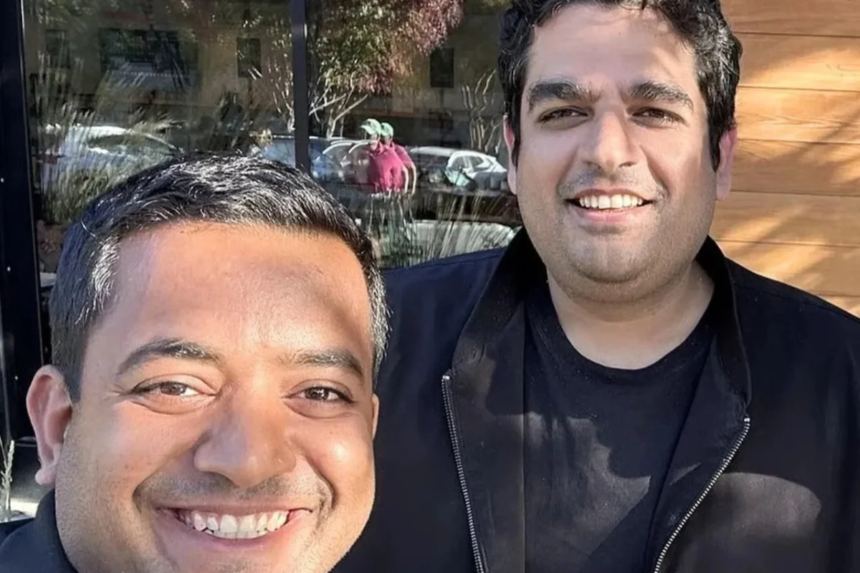
Roman Saini and Gaurav Munjal