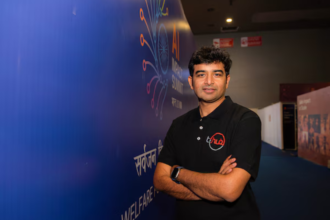




The most influential designers are often the least visible.
Their work becomes part of everyday life, shaping the places where people shop, work, dine, and interact, while their names remain largely behind the scenes. That was true of Shafid Ebrahim, an Indian interior designer whose work quietly influenced commercial spaces across the UAE for more than a decade.
Shafid, who passed away in a road accident in Kerala at the age of 40, spent thirteen years building a respected career in the UAE’s highly competitive design industry. During that time, he developed a portfolio that extended across retail, banking, hospitality, and corporate sectors, contributing to projects used by thousands of people every day.
His career offers an example of how technical expertise, consistency, and professional discipline can create long-term impact, even without public recognition.
Building a Career in the UAE Design Industry
Like many skilled professionals who move to the Gulf, Shafid arrived in the UAE seeking opportunities to expand both his experience and career prospects.
He joined a Dubai-based interior design company where he specialized in 3D visualization, concept development, and detailed interior design planning. Over time, his role evolved beyond technical execution as he became a trusted contributor on major commercial projects across the region.
The UAE’s design and construction sector demands a combination of creativity and precision. Projects often operate on tight timelines while maintaining high standards of quality and functionality.
Shafid developed a reputation for balancing those requirements effectively. His ability to translate concepts into practical, visually compelling environments made him a valuable asset to clients and project teams alike.
Designing Spaces That Became Part of Daily Life
One of the defining aspects of Shafid’s career was the diversity of projects he worked on.
His portfolio included branches of international retail brands, banking institutions, jewelry showrooms, hospitality venues, and commercial offices across the UAE and Saudi Arabia.
These were not isolated projects. They represented spaces visited by customers, employees, and visitors every day.
In many ways, this reflects the nature of successful commercial design. The objective is not simply to create attractive interiors but to develop environments that support business goals, enhance customer experiences, and function efficiently over the long term.
Professionals who worked alongside Shafid often highlighted his attention to detail and ability to understand both creative and operational requirements, qualities that allowed him to contribute across a wide variety of sectors.
Beyond Commercial Projects
While commercial design formed the core of his professional work, Shafid also contributed to creative projects outside the traditional interior design space.
He collaborated on visual presentations and pitch materials for several Malayalam film productions, helping transform concepts into compelling visual narratives.
This work demonstrated an important aspect of modern design careers. Creative professionals increasingly operate across multiple industries, applying design thinking beyond physical spaces into branding, storytelling, and communication.
His ability to move between commercial interiors and creative media projects reflected a broader understanding of visual communication and audience engagement.
A Reputation Built on Reliability
Technical skills may open doors, but long-term success is often determined by reliability.
Throughout his career, Shafid earned the trust of colleagues, clients, and collaborators through consistency and professionalism.
Those who worked with him describe someone who approached every project with commitment regardless of its size or complexity. Rather than focusing solely on creative outcomes, he understood the importance of collaboration, communication, and problem-solving throughout the design process.
These qualities are particularly valuable in industries where projects involve multiple stakeholders, evolving requirements, and tight deadlines.
Over time, that reputation became one of his most significant professional assets.
The Value of Long-Term Craftsmanship
The design industry often celebrates headline projects and award-winning concepts, but many successful careers are built through sustained excellence rather than public visibility.
Shafid’s professional journey reflects that reality.
For thirteen years, he contributed to projects that shaped customer experiences, supported business growth, and enhanced commercial environments throughout the region. His impact was measured not through public recognition but through the quality and consistency of his work.
In sectors such as retail, banking, and hospitality, well-designed spaces influence everything from customer perception to operational efficiency. Designers who understand this responsibility play an important role in business success.
Shafid belonged to that category of professionals.
A Legacy Defined by Professional Excellence
The UAE has become home to a generation of expatriate professionals who have helped build the country’s modern commercial landscape.
Shafid Ebrahim was one of them.
His career demonstrates how expertise, dedication, and attention to detail can create meaningful impact across industries. The projects he worked on continue to serve businesses and communities, while the professional standards he maintained remain part of the legacy he leaves behind.
Although his career ended far too soon, his work stands as a reminder that influence is not always measured by visibility. Often, it is measured by the spaces people remember, the standards colleagues respect, and the lasting contribution made through years of consistent effort.
For professionals across the design industry, Shafid Ebrahim’s journey reflects the enduring value of craftsmanship, commitment, and the quiet pursuit of excellence.
Shafid Erahim and Shahina Shafid
Supplied
Source: Gulf News