



The dispute centers on tax applicability in social commerce transactions conducted outside the platform.
Tax Dispute Moves to Appeal Stage
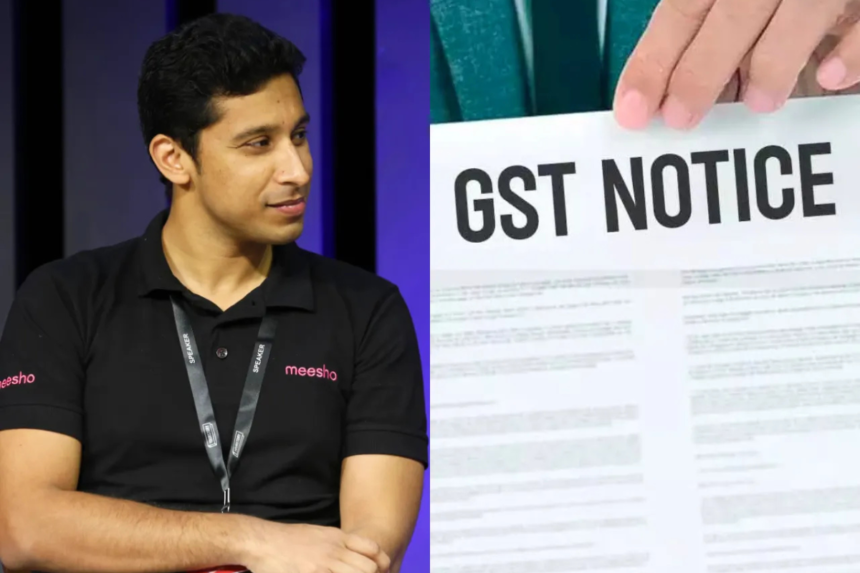
Meesho said it will challenge a ₹14.29 crore GST demand after an appellate authority upheld the claim related to its reseller model.
The order, issued by the CGST Thane Commissionerate, concerns the applicability of Tax Collected at Source under Section 52 of the Central Goods and Services Tax Act, 2017, for transactions between October 2018 and March 2020.
The authority upheld the tax demand along with interest and penalties under Section 74, while setting aside a separate penalty under Section 122.
Core Issue: Where the Transaction Happens
At the center of the case is how transactions are classified within Meesho’s social commerce structure.
The company’s model allows individual resellers to share product listings via social media and complete sales with end customers.
The tax authority argues that certain transactions, executed outside the platform interface, still fall within the scope of TCS obligations.
Meesho’s position is the opposite.
It maintains that these transactions do not meet the threshold for TCS collection under the law, making the demand unsustainable.
Legal Position and Next Step
Meesho stated it is “highly confident of a favorable outcome” and will appeal the order before the Goods and Services Tax Appellate Tribunal within the prescribed timeline.
The company also indicated that the demand will not materially impact its financial position or ongoing operations.
A Broader Pattern of Heightened Oversight
The development follows a separate income-tax demand of approximately ₹1,499.74 crore disclosed earlier this year, tied to adjustments in reported income for the 2023–24 assessment year.
Together, these cases reflect increasing regulatory attention on digital commerce models, particularly those that operate across platform and off-platform interactions.
Business Performance Continues Alongside Legal Pressure
Despite regulatory challenges, Meesho continues to scale.
Recent results showed operating revenue rising over 30 percent year on year to around ₹3,518 crore, while net loss widened to approximately ₹491 crore for the quarter.
The company remains in a growth phase, balancing expansion with compliance in a tightening regulatory environment.
What This Case Represents
This case represents more than a tax dispute. It reflects a deeper classification challenge. How regulators define where a transaction occurs, on-platform or off-platform, will shape how digital marketplaces are governed. That boundary is still evolving, and cases like this help define it.