



The company wants a bold digital strategist to connect with deeply engaged X communities and fuel brand growth.
DoorDash is looking for a new kind of communications professional, and the job description says a lot about where modern marketing is headed.
The delivery giant has launched a search for an executive communications specialist with a salary ranging from $136,000 to $200,000. But this is not a traditional public relations role. It is not focused on media relations, press releases, or corporate messaging.
Instead, DoorDash wants someone who can navigate internet culture, participate in real-time conversations, and help the company build influence across highly engaged online communities.
The move reflects a growing shift in how major brands approach visibility, attention, and customer engagement in the social media era.
A Different Kind of Communications Role
According to the company’s job posting, DoorDash is searching for a professional who combines the instincts of a growth marketer, internet strategist, and digital storyteller.
The company described the ideal candidate as a mix of a “fight promoter, growth hacker, and clip merchant,” highlighting how far the role sits from conventional corporate communications.
DoorDash said the position will help support its broader ambitions across emerging areas such as autonomous delivery robots, agentic commerce, and in-store technology solutions.
To communicate those innovations effectively, the company believes it needs someone who understands how conversations evolve online and how influence is built in real time.
Rather than relying solely on traditional media coverage, DoorDash wants a social-first approach that can engage technical communities, policymakers, industry observers, and potential partners directly.
Why Brands Are Investing in Internet Culture
The growing importance of social media has transformed how companies build brand awareness.
In previous decades, brands relied heavily on advertising campaigns, television commercials, and public relations efforts to shape public perception. Today, a significant portion of attention is earned through viral moments, online conversations, and community engagement.
Platforms such as X have become powerful arenas where brands compete not only for customers but also for relevance.
Companies increasingly understand that visibility often comes from participating in culture rather than simply advertising to it.
DoorDash’s latest hiring move reflects this reality.
The company is looking for someone who can identify opportunities, respond quickly to trends, and create conversations that extend far beyond paid marketing campaigns.
The Rise of Bold Brand Personalities
Many of today’s most successful social media brands have built large audiences by developing distinct online personalities.
Wendy’s became one of the earliest examples when its social media team gained attention for humorous exchanges, playful roasts, and quick-witted responses. The approach transformed the fast-food chain into one of the most talked-about corporate accounts online.
Duolingo followed a similar path by embracing internet humor, viral trends, and unconventional content. Its social presence became a case study in what marketers often describe as “unhinged marketing,” where brands deliberately lean into entertainment rather than traditional promotion.
These strategies work because they generate organic attention.
Instead of interrupting audiences with advertisements, brands become part of the conversations people are already having.
The McDonald’s Example
The value of viral engagement was demonstrated earlier this year again when McDonald’s unexpectedly became the center of an online discussion.
A video showing CEO Chris Kempczinski taking a notably small bite of the company’s Big Arch burger quickly spread across social media platforms.
The moment attracted jokes, memes, commentary, and responses from rival brands.
While the internet mocked the clip, the attention generated enormous visibility for McDonald’s. The original video alone accumulated millions of views, while countless reposts amplified its reach even further.
For marketers, the episode highlighted a simple reality: attention often comes from moments that cannot be planned through traditional advertising.
DoorDash Wants a Seat at the Table
DoorDash appears determined to play a larger role in these digital conversations.
Its job posting makes clear that traditional public relations experience is not a requirement. Instead, the company values judgment, cultural awareness, speed, and the ability to understand how influence spreads online.
The role sits at the intersection of corporate strategy and internet culture, where success is measured not only by media coverage but also by engagement, credibility, and distribution.
As brands increasingly compete for attention in crowded digital spaces, companies are recognizing that the ability to shape conversations may be just as valuable as the ability to buy advertising.
What This Says About the Future of Marketing
The DoorDash viral marketing strategy reflects a broader shift happening across the business world.
Companies are moving beyond traditional communication models and investing in people who understand how culture, communities, and digital influence operate.
The growing demand for social-first strategists shows that marketing is no longer only about campaigns. It is increasingly about participation.
For brands hoping to stay relevant, the challenge is no longer simply reaching audiences. It is becoming part of the conversations that audiences are already having.
DoorDash’s latest hiring push suggests that the companies winning attention in the future may not be those with the biggest advertising budgets, but those with the strongest understanding of internet culture and digital influence.
Source: BI
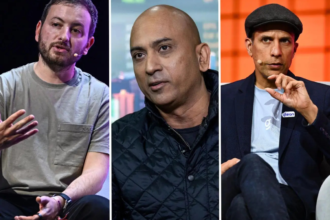
DoorDash is hiring for an executive communications role that has a unique job description. Bloomberg/Bloomberg via Getty Images