


The remarks came after the Centre defended India’s satellite communication rules as fair and non-discriminatory, as a dispute over delays affecting Starlink’s rollout in the country.
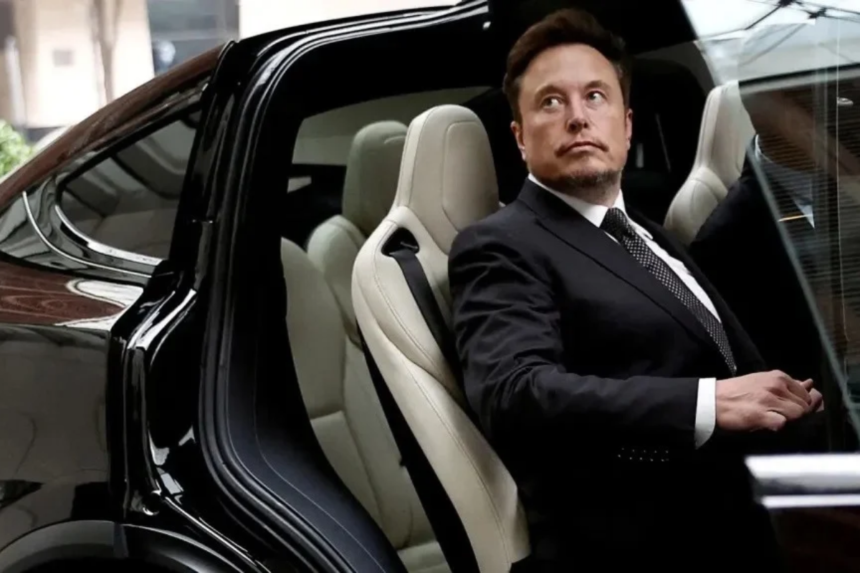
Elon Musk has renewed his criticism of delays in launching Starlink in India, sarcastically addressing Reliance Industries chairman Mukesh Ambani as “Prime Minister Ambani” and accusing him of favouring monopolistic control over competition.
In a post on X on October 9, the billionaire wrote, “Please accept my humble apologies for not realizing that you are the real boss of India.” He then urged Ambani to allow Starlink to compete in the country’s satellite internet market.
Musk’s remarks came a day after he accused “certain oligarchs” of blocking Starlink’s entry into India, describing the alleged obstruction as a “crime against the people of India”.
The dispute has intensified as the Centre maintains that India’s satellite communication regulatory framework is fair and non-discriminatory, with security clearances still pending for operators seeking to launch services.
Musk Says Starlink Could Expand Internet Access
Musk argued that Starlink could help connect underserved parts of India, giving children greater access to education and enabling small businesses to reach international markets.
He also highlighted the company’s role in restoring connectivity during natural disasters, saying satellite internet could help save lives when other communication systems fail.
His comments frame Starlink’s delayed launch as a question of market competition and access to connectivity. However, the allegations against Indian telecom operators remain Musk’s claims.
Centre Says Satellite Internet Approvals Follow Common Rules
The Ministry of Communications has rejected suggestions that India’s satellite communication rules are unfair or discriminatory.
In a statement issued on Thursday, the ministry said security assessments were underway for all three licensed satellite communication operators. Companies must demonstrate compliance with security conditions designed to protect users and their data before moving to the next stage of seeking spectrum allocation.
The government said all three operators were at broadly the same regulatory stage and described claims of unfair treatment as “baseless and misconceived”.
Starlink has secured a Global Mobile Personal Communications by Satellite (GMPCS) licence from the Department of Telecommunications and authorisation from the Indian National Space Promotion and Authorisation Centre (IN-SPACe) for its satellite constellation.
However, the government has yet to give the final go-ahead for commercial operations, with security concerns remaining a key issue.
Jio and OneWeb Also Await Approvals
Starlink is not the only company seeking to enter India’s satellite internet market. Bharti-backed Eutelsat OneWeb and Jio Satellite Communications, a subsidiary of Jio Platforms, have also secured relevant licences and are awaiting further regulatory clearances.
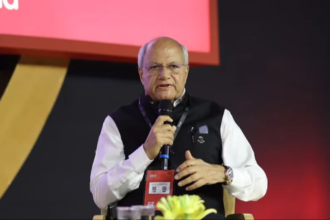
Bharti Airtel chairman Sunil Bharti Mittal rejected Musk’s claims, pointing out that his venture was also waiting for the necessary approvals to begin operations in India.
Amazon Leo, owned by Jeff Bezos, is another potential player in the satellite communications market.
According to The Indian Express, concerns over foreign satellite operators potentially bypassing Indian gateways have contributed to the delay in granting final security clearance. Such a scenario could limit the government’s oversight of satellite communication services.
The delay also comes as Reliance Jio considers developing its own low-Earth-orbit satellite constellation, potentially involving 1,600 to 1,650 satellites at an estimated cost of $10 billion to $15 billion.
Starlink’s India Launch Remains Pending
Starlink received an operator licence from the Department of Telecommunications after applying three years earlier. It subsequently secured IN-SPACe authorisation for its satellite constellation in July 2025, which industry executives described as the final regulatory approval required before launch.
The service still requires the government’s formal clearance to begin operations.
Musk’s latest comments have brought renewed attention to the competing interests in India’s satellite internet market. While he argues that Starlink could improve connectivity and increase competition, the government maintains that operators must meet the same regulatory and security requirements before launching their services.
Elon Musk
Source: The Indian Express