



Real estate has often been viewed as a business driven by land ownership, construction, and sales. Yet as India’s property market matured, another dimension became equally important: financial discipline.
Developers increasingly needed access to institutional capital, stronger governance, professional execution, and long-term planning to compete in a rapidly changing industry.
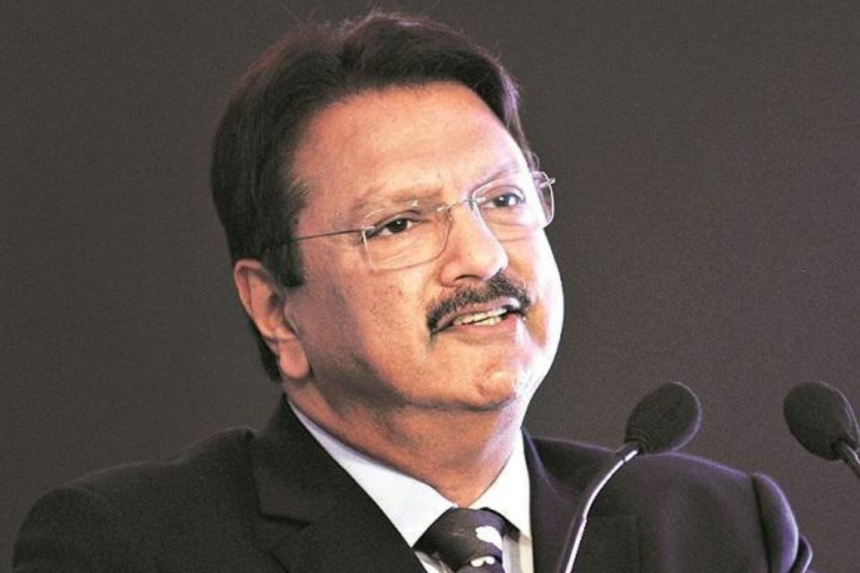
Few business leaders understood this shift better than Ajay Piramal.
Known for building one of India’s most diversified business groups, Piramal expanded into real estate with a philosophy shaped by decades of experience in pharmaceuticals, financial services, and private investment.
Rather than pursuing rapid expansion, he focused on creating premium developments backed by disciplined execution, quality, and long-term value.
Building Beyond Traditional Real Estate
Ajay Piramal had already established himself as one of India’s leading industrialists long before entering property development.
Through the Piramal Group, he built businesses spanning pharmaceuticals, financial services, healthcare, and investments, earning a reputation for disciplined capital allocation and strategic acquisitions.
When the group entered real estate, it did so with a different perspective.
Instead of viewing property purely as a construction business, Piramal approached it as an integrated investment platform where governance, financial management, customer trust, and execution mattered as much as architecture.
This institutional mindset distinguished Piramal Realty from many conventional developers.
Entering the Luxury Segment
Piramal Realty focused primarily on premium residential developments in Mumbai, one of India’s most competitive real estate markets.
The company emphasized design quality, construction standards, sustainability, and customer experience rather than aggressive project launches.
Its developments sought to combine thoughtful planning with modern amenities while maintaining high execution standards.
The strategy reflected a belief that long-term brand reputation creates greater value than short-term expansion.
The Advantage of Financial Discipline
Before becoming a major developer, the Piramal Group had already established a significant presence in real estate financing.
This experience provided valuable insights into project economics, developer risks, regulatory challenges, and capital allocation.
It also reinforced the importance of prudent financial management.
Rather than relying solely on rapid sales or speculative growth, the group emphasized sustainable development supported by strong balance-sheet management and disciplined investment decisions.
This approach became increasingly important as India’s regulatory environment evolved and institutional investors demanded higher governance standards.
Creating Long-Term Value
Ajay Piramal has often emphasized that successful businesses are built over decades rather than market cycles.
That philosophy is evident in the group’s approach to real estate.
Projects are designed not simply as residential buildings but as long-term assets capable of retaining value through quality construction, thoughtful design, and careful planning.
Instead of maximizing the number of launches, the focus has remained on delivering projects that strengthen customer confidence and reinforce the company’s reputation.
Leadership Through Governance
One of Piramal’s defining contributions has been bringing corporate governance practices commonly associated with large public companies into the real estate sector.
Professional management, transparent processes, disciplined capital deployment, and accountability have become central to the group’s operating philosophy.
As institutional investment continues to reshape Indian real estate, these practices are increasingly viewed as competitive advantages rather than optional business principles.
Looking Ahead
India’s luxury housing market continues to evolve alongside rising incomes, expanding urban infrastructure, and greater participation from institutional investors.
As the industry becomes more sophisticated, financial discipline and execution quality are likely to matter as much as location and design.
Ajay Piramal’s journey demonstrates how institutional thinking can reshape a traditionally fragmented industry.
By combining governance, long-term investment strategy, and premium development, he has helped redefine what sustainable growth looks like in India’s luxury real estate sector.
Read more news, and follow us on Instagram
Image: Economic Times