


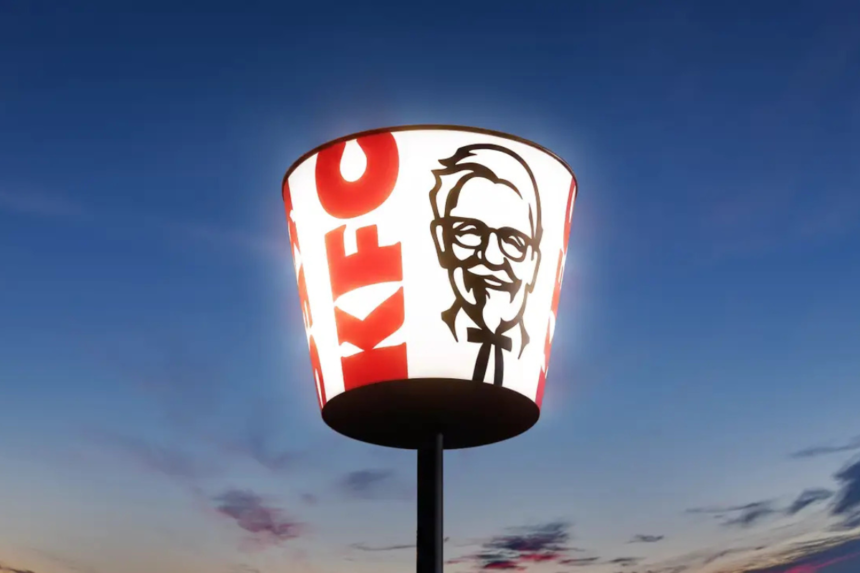
The updated look aims to celebrate the brand’s heritage while embracing a more modern personality.
Global brand overhaul combines heritage, technology, new menu innovations, and immersive restaurant experiences.
For more than seven decades, Colonel Sanders has remained one of the most recognizable figures in global fast food. While the iconic founder is staying at the heart of the brand, almost everything around him is changing.
KFC has unveiled one of the most significant global brand transformations in its 74-year history, introducing a refreshed visual identity, new menu innovations, redesigned restaurants, and a stronger focus on digital engagement. The initiative reflects the company’s effort to remain relevant in an increasingly competitive chicken market while preserving the heritage that made KFC a global phenomenon.
The challenge is clear: modernize a beloved brand without losing the familiarity and nostalgia that customers associate with it.
According to KFC Global CEO Scott Mezvinsky, the company’s strategy is centered on evolving alongside changing consumer preferences while maintaining its leadership position in the chicken category.
Why KFC Is Reinventing Itself
The transformation comes at a time when competition in the chicken segment has intensified dramatically.
Brands such as Chick-fil-A, Popeyes, Raising Cane’s, Dave’s Hot Chicken, and Wingstop have captured significant attention, particularly among younger consumers. While KFC continues to expand globally, operating more than 34,000 restaurants in 151 countries, its performance in the United States has come under increasing pressure.
Industry observers note that KFC remains a dominant global brand, but newer competitors have successfully tapped into changing consumer habits, especially among Gen Z and millennials.
As consumer expectations evolve, KFC’s leadership believes standing still is no longer an option.
A New Menu Built for Modern Eating Habits
One of the biggest shifts in KFC’s strategy is its recognition that consumers no longer eat the way they did when the brand became famous for family-sized chicken buckets.
Today’s customers increasingly favor:
- Snacking and grazing throughout the day
- Customizable food experiences
- Flavor experimentation
- Specialty beverages
- Portable and convenience-focused meals
To address these trends, KFC is expanding its boneless chicken offerings and introducing a broader range of sauces designed to appeal to regional tastes and younger consumers.
Among the new additions are:
- Chimichurri Ranch
- Hot Honey Habanero
- Region-specific flavor variations
The company believes these offerings better align with contemporary dining preferences while preserving KFC’s core identity as a chicken-focused brand.
Enter Kwench: KFC’s Push Into the Beverage Market
Perhaps the most notable development is KFC’s aggressive expansion into beverages.
The company has launched a global beverage platform called Kwench by KFC, which introduces a variety of drinks designed to attract customers beyond traditional meal occasions.
The lineup includes:
- Boba refreshers
- Sparkling lemonades
- Iced coffee beverages
- Specialty shakes
The move places KFC directly into one of the fastest-growing areas of the restaurant industry. Beverage innovation has become a major battleground for brands seeking to attract younger consumers who increasingly view drinks as affordable indulgences and social-media-friendly experiences.
Rather than competing solely during lunch and dinner hours, KFC hopes beverages will create additional reasons for customers to visit throughout the day.
Reinventing the Restaurant Experience
KFC’s transformation extends well beyond the menu.
The company is redesigning its restaurants around a concept it calls QXR, or Quality Experience Restaurant.
The idea reflects a broader shift in consumer behavior. Restaurants are no longer competing only against other restaurants. They are competing for attention in a world dominated by social media, digital entertainment, and endless online distractions.
Future KFC locations will feature:
- Immersive digital screens
- More flexible dining layouts
- Enhanced digital ordering experiences
- Hospitality-focused service zones
- Dynamic spaces that adapt throughout the day
The company has drawn inspiration from destinations such as the Las Vegas Sphere and the customer experience principles used in Apple Stores.
The objective is to create environments that feel less transactional and more engaging, encouraging customers to spend time with the brand rather than place an order and leave.
Modernization Without Losing Identity
Despite the sweeping changes, KFC’s leadership emphasizes that this is not a complete reinvention.
The company is carefully balancing innovation with tradition, recognizing that its heritage remains one of its strongest competitive advantages.
The Colonel continues to serve as the centerpiece of the brand’s identity, while updated packaging, refreshed logos, and modern restaurant designs aim to make the overall experience feel contemporary.
Industry experts argue that KFC’s greatest strength is something competitors cannot easily replicate: decades of brand recognition, cultural relevance, and customer trust.
While rivals continue investing heavily to build emotional connections with consumers, KFC already possesses a legacy that spans generations.
Can the Strategy Deliver Results?
Whether the overhaul will fully reignite growth, particularly in the United States, remains to be seen.
Some analysts view the initiative as a necessary modernization effort rather than a revolutionary shift. Many of the elements being introduced, including specialty beverages, immersive store designs, and digital engagement, have already proven successful elsewhere in the industry.
However, KFC’s scale, global footprint, and brand equity provide advantages that few competitors can match.
The company appears to be betting that combining modern consumer experiences with one of the most iconic identities in fast food will help secure its position in the next era of restaurant competition.
For KFC, the mission is not to abandon its roots. It is to prove that a 74-year-old brand can still feel relevant in a market increasingly shaped by younger consumers, digital habits, and evolving tastes.
As competitors continue to crowd the chicken category, KFC’s message remains simple: the Colonel may look a little different, but the brand still intends to wear the crown.
Source: BI
KFC’s global modernization effort includes a new logo and packaging, menu upgrades, and restaurant redesigns, all aimed at improving the customer experience. KFC
Read more news, and follow us on Instagram