

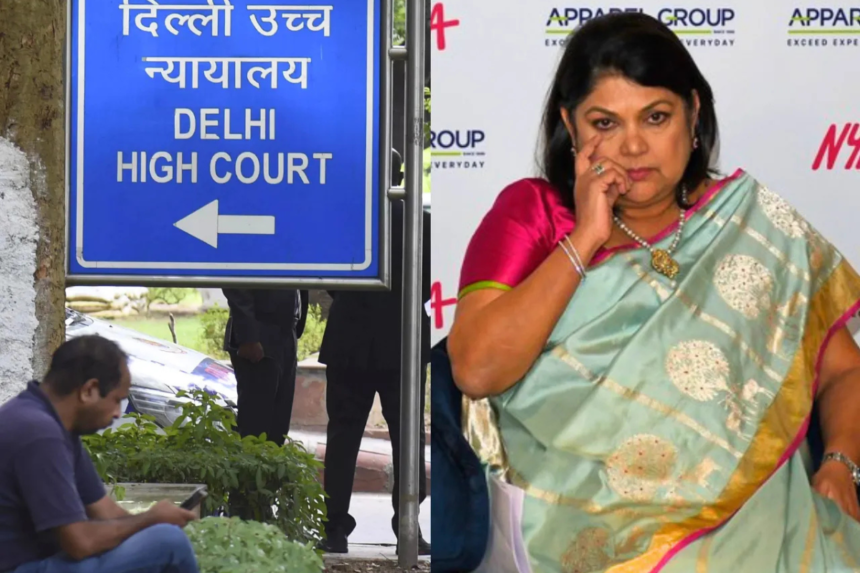
The case highlights rising scrutiny around how brands use copyrighted content in short-form digital marketing.
Dispute Over Commercial Use of Music
Zee Entertainment Enterprises has filed a lawsuit against Nykaa in the Delhi High Court, alleging unauthorized use of its copyrighted music across promotional Instagram content.
According to court filings, Zee claims that Nykaa used several of its tracks in branded reels designed to promote products to a large follower base, without obtaining the required permissions. The company argues that its licensing agreement with Meta Platforms allows individuals to use its music for non-commercial purposes, but does not extend the same rights to brands or commercial entities.
Zee has submitted evidence, including screenshots of 12 Instagram reels, and is seeking damages of Rs 2 crore, citing unauthorized commercial exploitation of its catalogue.
Nykaa’s Response and Legal Position
During initial proceedings, Nykaa’s legal team informed the court that the content identified in the complaint had already been taken down. While this addresses immediate concerns, it does not resolve the broader legal question around liability and past usage.
The case, spanning more than 900 pages, signals the seriousness with which content ownership disputes are now being pursued, particularly as digital marketing increasingly relies on music-led engagement.
A Wider Industry Pattern
This dispute reflects a broader shift in how intellectual property is enforced in India’s digital ecosystem. Short-form video platforms have become central to brand communication, with companies frequently using popular music to increase reach and engagement.
However, the legal framework distinguishes between personal use and commercial application, creating a gap that many brands have navigated without clear boundaries.
Similar disputes have surfaced in recent years. T-Series previously took legal action against ShareChat over unauthorized music usage, a case that eventually led to a licensing agreement. In another instance, the Bombay High Court ruled in favor of Tips Industries against Wynk Music, reinforcing the requirement for proper authorization in digital music usage.
Implications for Brand Marketing
The Zee-Nykaa case underscores a structural tension in digital marketing. Platforms like Instagram provide access to extensive music libraries, but the distinction between user-generated content and branded promotion introduces legal complexity.
As enforcement increases, brands may need to adopt clearer licensing strategies, separating organic content from commercial campaigns and ensuring compliance with intellectual property laws.
What Comes Next
The next hearing is scheduled for May 26, 2026. The outcome is likely to influence how brands approach music usage in digital campaigns, particularly in an environment where content speed often outpaces legal oversight.
At its core, the case reflects a larger transition. Digital marketing is no longer operating in a loosely regulated space. Ownership, attribution, and commercial intent are becoming central to how content is created and distributed.