


After reshaping Wondery, Amazon is using the brothers’ fanbase to turn podcast loyalty into a larger business ecosystem.
When Amazon acquired Wondery for $300 million, the move appeared to be a straightforward expansion into podcasting. The restructuring that followed suggests a far broader ambition.
Rather than treating podcasts as standalone media products, Amazon has repositioned them as entry points into a larger commercial ecosystem. The company is no longer focused solely on advertising revenue. It is building integrated environments where content, products, and consumer behaviour intersect.
Wondery Restructure Signals Strategic Shift
In August, Amazon restructured Wondery, cutting more than 100 roles and consolidating its audio-first model. Audio-only podcasts were moved into Audible, while a new division, Creator Services, was formed to focus on video-driven content and talent-led ecosystems.
This transition reflects a change in how Amazon defines value within the creator economy. The emphasis has shifted from distribution to ownership of audience relationships and monetisation pathways.
Creator Services Expands the Definition of “Creator”
Under the leadership of Amazon executives, including Angie More, the concept of a “creator” now extends far beyond traditional podcast hosts. It includes actors, athletes, influencers, and public figures capable of sustaining audience attention across multiple formats.
This broader definition allows Amazon to treat creators as scalable commercial assets rather than content producers. It also aligns with the company’s infrastructure, which spans e-commerce, streaming, advertising, and cloud services.
Kelce Brothers Become the First Full-Scale Test Case
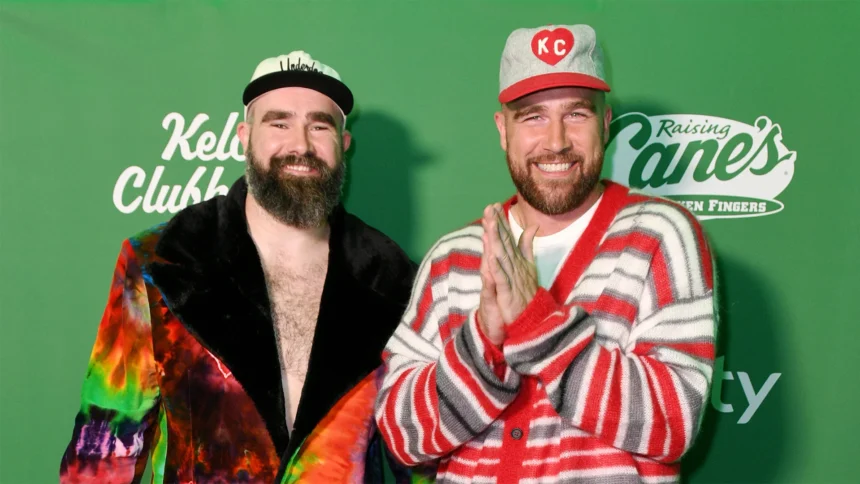
The strategy finds its clearest expression in Amazon’s partnership with Jason Kelce and Travis Kelce, hosts of the New Heights podcast. Their reported $100 million deal with Wondery positioned them not just as podcast hosts but as anchors of a broader commercial experiment.
The show’s reach expanded significantly after high-profile appearances, including Taylor Swift, which drove record engagement on video platforms.
Amazon moved quickly to convert that attention into commerce.
From Content to Commerce Integration
In January, Creator Services launched “Kelce Clubhouse,” a dedicated retail environment within Amazon’s platform. The page combined merchandise, books, streaming content, and branded products tied directly to the podcast and its hosts.
Items ranged from the brothers’ book to products linked to their personal ventures, including Garage Beer, alongside entertainment properties such as the Harry Potter audiobooks on Audible.
The structure mirrors a curated storefront built around identity rather than inventory.
Experiential Marketing Replaces Traditional Advertising
Amazon extended this approach beyond digital platforms. During a Kansas City Chiefs game, the company hosted a branded tailgate event where executives and advertisers experienced the podcast’s ecosystem in real time.
The environment integrated physical branding, fan engagement, and product exposure. It demonstrated how audience loyalty could translate into measurable commercial activity.
This model shifts advertising from interruption to participation.
Competing Models Already Exist, but Amazon Scales Them
Other players, including SiriusXM and Dear Media, have explored similar strategies by extending creator influence into merchandise, live events, and branded partnerships. Individual creators such as Alex Cooper and Mel Robbins have also built product businesses around their audiences.
Amazon’s approach differs in scale and integration. It controls distribution, commerce infrastructure, and monetisation channels within a single system.
That control changes the economics.
A New Model for Audience Monetisation
The central idea behind Amazon podcast commerce is simple but expansive. Audience loyalty is treated as a convertible asset.
Instead of monetising attention through ads alone, Amazon embeds purchasing opportunities directly into the content experience. Every interaction becomes a potential transaction.
The podcast becomes the starting point.
The ecosystem generates value.
Strategic Direction Becomes Clear
Amazon’s changes at Wondery and its focus on creators mark a strategic shift. Content moves to the centre. Commerce builds around it. The line between entertainment and transaction fades, and the model grows with it.
Jason and Travis Kelce. Photo: Getty Images
Source: INC