



Affordability has moved beyond a financial metric and become a central pressure point across everyday life, from groceries and healthcare to transportation and energy. Housing, however, remains the most persistent and structurally complex challenge within this broader affordability crisis.
Rising home prices, limited supply, and elevated mortgage rates have made homeownership increasingly difficult, turning housing into a defining economic issue in the United States.
A Rare Bipartisan Push on Housing
In response, the US Senate passed the 21st Century ROAD to Housing Act on March 12 with strong bipartisan support, securing an 89-10 vote.
The bill introduces more than 40 provisions aimed at improving affordability and accelerating housing supply through reforms in financing, zoning, permitting, and environmental processes.
A separate version has already passed in the House, setting the stage for further negotiations as lawmakers attempt to reconcile differences.
Manufactured Housing Takes Center Stage
One of the most impactful aspects of the bill is its focus on manufactured housing, a segment often overlooked despite its potential to address affordability at scale.
The legislation allows homes to be built without a permanent chassis, increases federal loan limits for buyers, and relaxes zoning restrictions. These changes enable more flexible designs and improve placement options, helping remove long-standing stigma around factory-built homes.
Industry leaders believe this shift could significantly expand access to lower-cost housing, particularly in high-demand areas where land constraints limit traditional construction.
Industry Support and Structural Impact
Real estate and housing groups have broadly supported the bill, emphasizing its role in reducing regulatory friction and unlocking supply.
Manufactured housing is gaining renewed attention as a scalable solution, especially in regions facing severe shortages. At the same time, easing restrictions on accessory dwelling units such as backyard homes and in-law suites could further increase housing density without large-scale development.
However, tensions remain between segments of the factory-built housing industry, particularly between manufactured and modular housing players, over the bill’s competitive advantages.
Investor Debate Adds Political Friction
A key point of contention is the role of institutional investors in the housing market.
The Senate bill proposes restricting large investors from purchasing single-family homes beyond a certain threshold, while still allowing build-to-rent developments under specific conditions. These homes would need to be sold to individual buyers after seven years.
Supporters argue this protects homeownership opportunities, while critics warn it could reduce supply by discouraging large-scale development. Industry groups have cautioned that such restrictions may significantly impact new housing construction.
Supply Shortage Remains the Core Problem
The US housing market currently faces a shortage of approximately 4 million homes, with median prices hovering around $400,000 and mortgage rates remaining above 6 percent.
More than 70 percent of Americans express concern about housing affordability, reflecting the scale of the issue and the urgency for structural solutions.
While the bill attempts to address supply constraints, its effectiveness will depend on how quickly reforms translate into actual construction and availability.
The Path Forward
The legislation now faces a complex political process as it returns to the House, where disagreements over investor restrictions and additional policy conditions could delay final approval.
At the same time, broader political dynamics, including upcoming elections and competing legislative priorities, add uncertainty to the timeline.
Even so, the bill represents a significant shift in focus toward supply-driven solutions, signaling that the path to solving the affordability crisis lies less in demand-side interventions and more in building at scale.
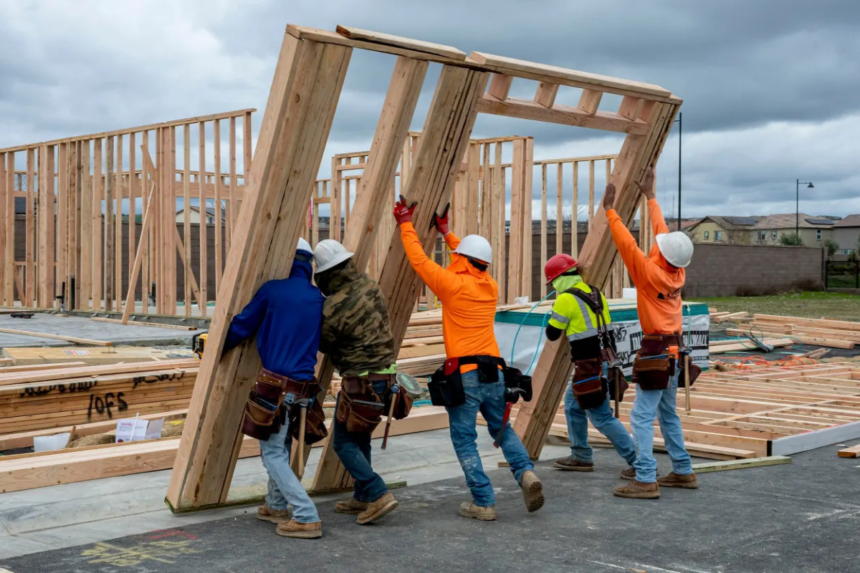
Source: CNBC/ Bloomberg | Bloomberg | Getty Images