

Tesla Draws the Curtain on Its Oldest Models
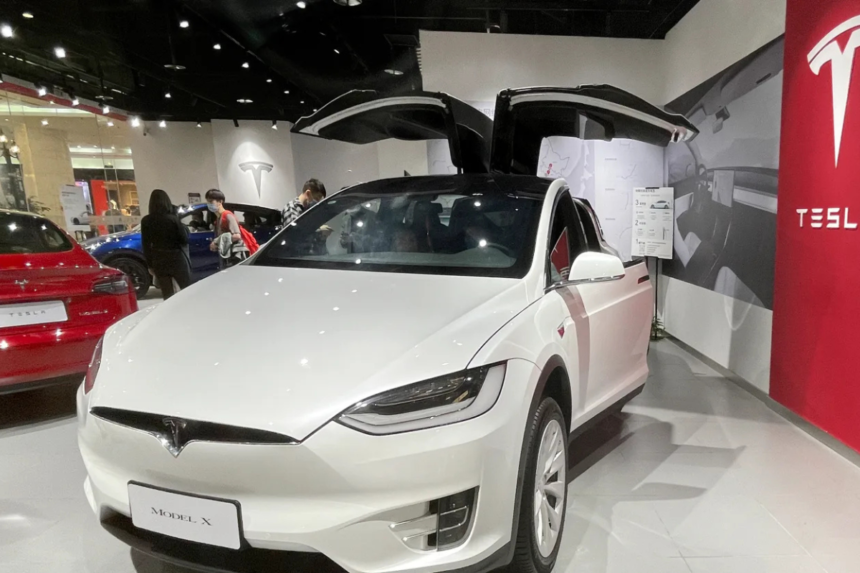
Tesla is ending production of its Model S and Model X vehicles, marking the close of a defining chapter in the company’s history. CEO Elon Musk confirmed the decision during Tesla’s fourth-quarter earnings call, saying the Fremont, California, factory will be repurposed to manufacture Optimus humanoid robots.
Musk described the move as an “honorable discharge” for the two models and urged interested buyers to place orders soon. The announcement signals a decisive shift in Tesla’s priorities, away from legacy electric vehicles and toward robotics and artificial intelligence.
Model S and X Lose Ground as Competition Intensifies
The Model S and X were Tesla’s earliest vehicles and once symbolised the brand’s technological edge. Over the past few years, however, rising global competition in electric vehicles has eroded their position.
Tesla has repeatedly cut prices to sustain demand, while consumer preference has shifted sharply toward more affordable models. The Model 3 and Model Y now dominate Tesla’s portfolio, accounting for 97% of the company’s 1.59 million deliveries last year.
As volume concentrated around these models, the business case for continuing low-volume premium vehicles weakened.
Fremont Factory to Become an Optimus Hub
Tesla will convert its Fremont production lines to build Optimus, the company’s humanoid robot under development. Musk said the Model S and X lines will be replaced with a production setup capable of manufacturing up to one million Optimus units per year.
He emphasised that Optimus relies on an entirely new supply chain, with little overlap with Tesla’s existing automotive systems. The transition represents not just a factory change, but a structural reorientation of the company’s manufacturing focus.
Optimus Moves Closer to Mass Production
Tesla said it plans to unveil the third generation of Optimus later this quarter. The company described it as the first version designed specifically for mass production.
Musk has positioned Optimus as a general-purpose robot capable of handling tasks ranging from factory work to domestic assistance. While Tesla currently generates little revenue from robotics, the company continues to frame Optimus as a long-term growth engine.
Financial Pressure Accelerates the Shift
The announcement comes amid mounting financial pressure. Tesla reported its first annual revenue decline on record, with sales falling in three of the past four quarters.
As demand growth for electric vehicles slows, Musk has increasingly redirected attention toward autonomous driving and humanoid robots. Both areas remain largely speculative from a revenue standpoint, but they now sit at the centre of Tesla’s future narrative.
A Strategic Gamble Beyond Cars
Ending the Model S and X frees up capital, factory space, and management focus. It also underscores Tesla’s willingness to walk away from products that no longer align with its long-term vision.
The Fremont conversion reflects a calculated gamble. Tesla is choosing to bet on a future where intelligence, automation, and robotics define its identity more than cars.
For Tesla, this is not just the end of two vehicles. It is a clear signal that the company sees its next chapter beyond the road.
A Model X is on display at a Tesla showroom on February 13, 2021 in Beijing, China.
VCG | Visual China Group | Getty Images
Source: CNBC
Follow us on Instagram and stay updated with our current news