


For years, Ayurveda in India was treated as something traditional but ordinary.
People trusted it at home. Families passed down remedies through generations. Oils, herbs, ubtans, and natural treatments existed deeply inside Indian culture. But in the modern beauty and luxury market, Ayurveda rarely occupied premium shelves. Global skincare brands dominated aspiration, packaging, and prestige.
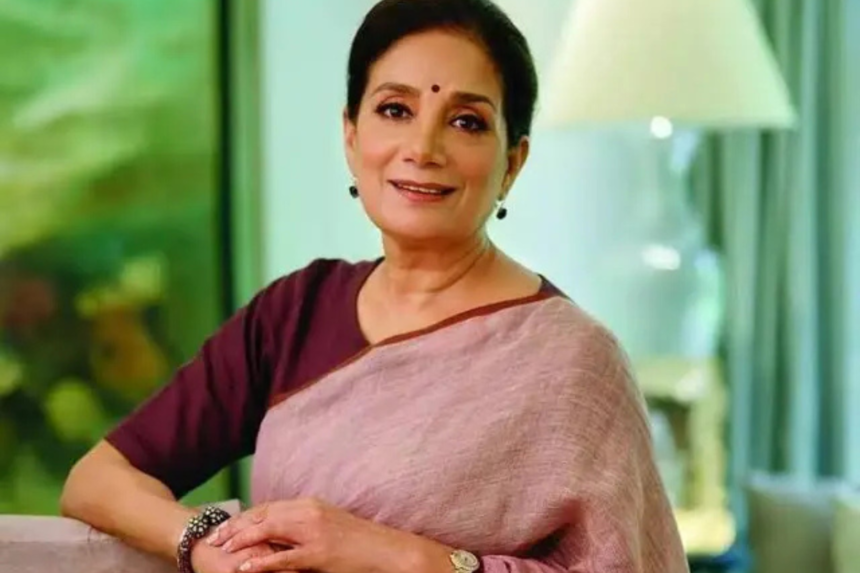
Mira Kulkarni saw a gap others ignored.
She believed Ayurveda did not need modernization by abandoning its roots. It needed elevation through quality, storytelling, craftsmanship, and branding.
That belief eventually became Forest Essentials, one of India’s most recognized luxury wellness and skincare companies.
Her journey is not only a business success story.
It is a branding masterclass in transforming cultural heritage into premium consumer desire.
The Early Beginning of Forest Essentials
Mira Kulkarni did not start Forest Essentials as a large corporate project backed by aggressive funding or massive infrastructure.
The company began quietly in the early 2000s from a personal interest in authentic Ayurvedic formulations and natural wellness traditions.
At the time, India’s beauty industry was heavily influenced by Western cosmetic positioning. Imported products carry the status. Herbal products were often marketed as inexpensive or purely medicinal.
Very few brands successfully combined:
- Ayurveda
- Luxury positioning
- Elegant packaging
- Premium pricing
- Modern retail appeal
Mira Kulkarni recognized that the real opportunity was not simply selling Ayurvedic products.
The opportunity was building aspiration around Ayurveda itself.
Turning Ayurveda Into a Luxury Experience
One of the biggest reasons Forest Essentials stood out was branding clarity.
The company did not present Ayurveda as old-fashioned or clinical. Instead, it positioned Ayurvedic beauty as indulgent, sensory, premium, and emotionally rich.
Everything reflected that philosophy:
- Sophisticated packaging
- Rich textures and fragrances
- Premium store aesthetics
- Handmade formulations
- Traditional ingredients with modern presentation
Forest Essentials created an experience that felt luxurious without disconnecting from Indian roots.
That distinction mattered.
Many brands attempting modernization dilute their original identity in the process. Forest Essentials did the opposite. It made authenticity itself feel premium.
The Power of Brand Storytelling
Mira Kulkarni understood something many founders underestimate: consumers do not only buy products. They buy meaning, identity, and emotional association.
Forest Essentials built its brand around storytelling deeply connected to Indian traditions.
Ingredients were not presented as random beauty compounds. They were connected to rituals, heritage, wellness philosophy, and ancient Indian self-care systems.
The brand spoke the language of craftsmanship rather than mass manufacturing.
That approach helped Forest Essentials stand apart in an increasingly crowded beauty market.
Competing Against Global Beauty Giants
Building a luxury Indian beauty brand came with major challenges.
Global cosmetic companies already control premium consumer attention. International labels carried stronger retail presence, advertising budgets, and aspirational influence.
Forest Essentials could not outspend global beauty giants.
Instead, it differentiated itself through identity.
The company leaned into:
- Indian luxury
- Authentic Ayurveda
- Handmade preparation methods
- Natural ingredients
- Traditional wellness philosophy
- Cultural depth
This created a category few competitors occupied successfully at the time.
Rather than copying Western luxury branding entirely, Forest Essentials created an Indian interpretation of luxury beauty.
That became its strength.
Expanding Into Premium Retail
As the brand grew, Forest Essentials expanded aggressively across premium retail locations, luxury hotels, airports, and upscale shopping destinations.
Its presence inside luxury hospitality spaces became especially important.
Five-star hotels and wellness resorts helped position the brand alongside luxury experiences rather than ordinary skincare purchases.
That strategy elevated perception.
Consumers began associating Forest Essentials with premium wellness, gifting culture, and high-end self-care.
The brand’s retail expansion remained selective and image-conscious rather than purely volume-driven.
The Estée Lauder Partnership
One of the strongest validations of Forest Essentials came when Estée Lauder acquired a stake in the company.
The partnership signaled that Indian luxury Ayurveda had global commercial relevance.
For many observers, the deal represented something larger than investment alone.
It showed that Indian heritage-led brands could compete internationally without abandoning cultural authenticity.
That was a significant shift in perception.
Mira Kulkarni’s Branding Philosophy
Mira Kulkarni’s success reflects several important branding principles.
Authenticity creates differentiation
Forest Essentials did not imitate global beauty brands completely. It was built around an Indian identity confidently.
Premium branding is emotional.
Luxury consumers often buy stories, experiences, and feelings, not only functionality.
Packaging shapes perception
The company understood that visual presentation changes how consumers value products.
Heritage can become a modern advantage.
Traditional knowledge systems become powerful when positioned intelligently for modern consumers.
Why Her Story Matters
Mira Kulkarni’s journey matters because it changed how Indian wellness brands viewed themselves.
Before Forest Essentials, many Ayurvedic companies focused primarily on utility or affordability. The brand proved that Indian traditions could command premium positioning globally.
That shift influenced a wider generation of Indian consumer brands across:
- Ayurveda
- Wellness
- Organic beauty
- Luxury skincare
- Natural products
- Heritage-driven branding
Today, premium Indian wellness branding has become an entire industry category.
Forest Essentials helped create that space.
The Larger Legacy
Mira Kulkarni did more than build a skincare company.
She helped reposition Ayurveda itself inside modern consumer culture.
Her success came from understanding that branding is not decoration added after a product is made. Branding shapes how people emotionally experience the product from the beginning.
In a market flooded with imitation and trend-driven marketing, Forest Essentials built long-term value through identity, consistency, and cultural confidence.
That is why the brand continues to stand out.
Read more news, and follow us on Instagram
Photo: Shesight