



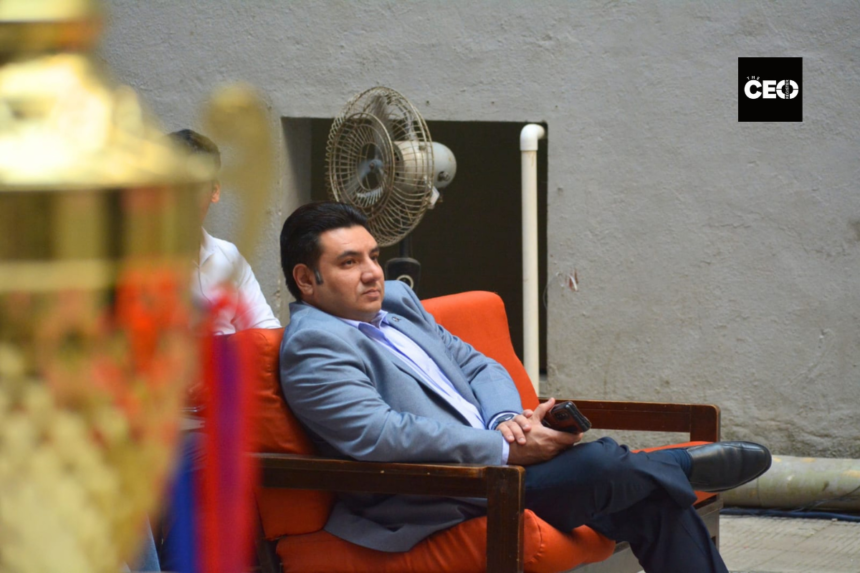
Devang Raja, founder of Wolf Group, believes that most Indian startups misunderstand where fundraising success is actually decided. In his view, capital outcomes are rarely determined in investor meetings or pitch rooms; they are shaped much earlier, often invisibly, inside the business itself.
“Founders usually start asking questions when investor responses dry up,” Devang says. “By then, the real problems have already been embedded.”
Having worked closely with startups and MSMEs across stages, Devang points to a recurring pattern: founders treat fundraising as an event rather than a process. They prepare pitch decks, rehearse narratives, and line up introductions but avoid deeper questions around capital readiness. This leads to investor conversations that appear promising on the surface but fail to convert.
One of the most common issues is internal ambiguity. Many startups approach investors without clarity on unit economics, capital efficiency or realistic growth assumptions. While founders may feel these gaps can be addressed later, investors often see them as early warning signs. According to Devang, uncertainty, not risk, is what investors reject most strongly.
Another frequent mistake is misaligned timing. Founders often raise capital because cash pressure demands it, not because the business is structurally ready. In such cases, capital becomes a temporary relief rather than a strategic tool. Investors, particularly experienced ones, are quick to sense desperation disguised as ambition.
Devang is also critical of the ecosystem’s dependence on borrowed playbooks. Indian founders routinely mirror fundraising narratives from global startup success stories without adapting them to local realities. “What signals boldness in one market can signal immaturity in another,” he notes. India’s investor base, he explains, places greater emphasis on resilience, governance readiness and founder judgment than on aggressive storytelling alone.
This disconnect creates friction in investor discussions. Founders may believe they are communicating confidence, while investors interpret the same signals as overreach or lack of grounding. Over time, such misalignment quietly damages credibility, even if the startup continues to show surface traction.
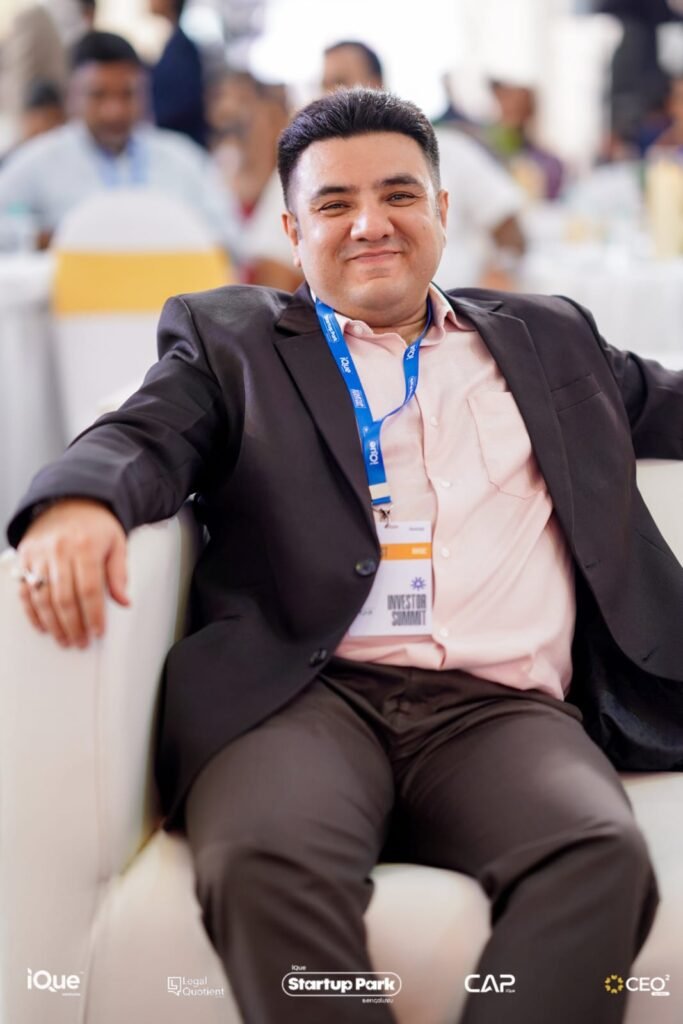
Devang argues that fundraising should be reframed as an outcome of clarity rather than persuasion. Capital follows when a founder demonstrates understanding of trade-offs, dilution, execution risks, and long-term direction. “When these elements are coherent,” he says, “investor conversations become calmer and more constructive.”
As capital discipline tightens across India’s startup ecosystem, these distinctions are becoming more pronounced. The era of speculative enthusiasm has given way to a preference for businesses that exhibit restraint, realism, and operational clarity. In this environment, founders who rush fundraising without preparation risk long-term reputational consequences.
Ultimately, Devang believes fundraising failure is less about rejection and more about reflection. “The absence of capital is often feedback,” he explains. “Founders who read that feedback early tend to build stronger, more durable businesses, whether or not they raise immediately.”