



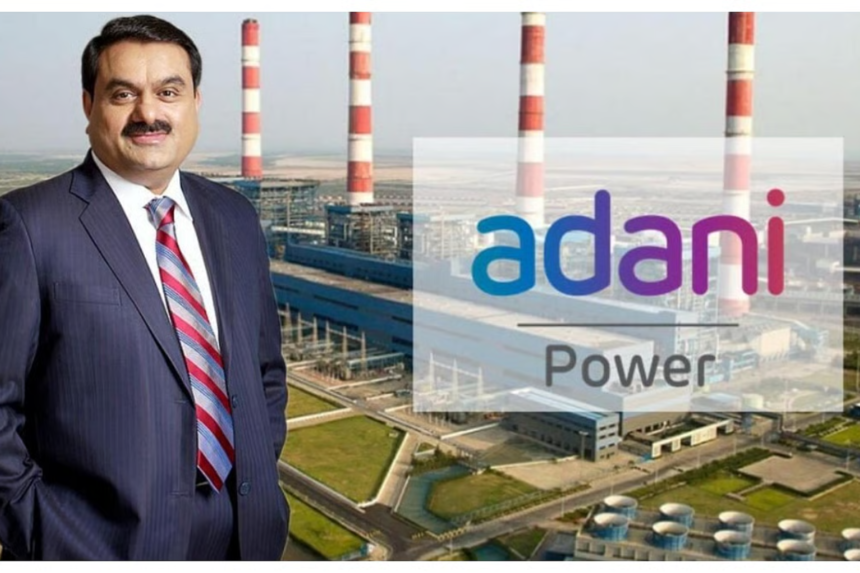
Adani Power has taken a decisive step into nuclear power with the incorporation of Coastal-Maha Atomic Energy Limited (CMAEL), following the earlier setup of Rawatbhata-Raj Atomic Energy Limited (RRAEL).
The move extends beyond structural expansion. It signals a clear shift in Adani Power’s nuclear strategy toward long-term participation in atomic energy.
Policy Change Opens the Door for Private Participation
The transition aligns with the introduction of the SHANTI Act, which enables private sector involvement in nuclear energy.
While the government retains control over fuel management and safety oversight, private players can now operate across generation, transmission, and distribution.
This redefines the structure of India’s energy sector.
Modular Structure Built for Scale
Adani Power is building its nuclear presence through step-down subsidiaries under Adani Atomic Energy Limited.
This layered approach creates flexibility, and each entity can operate independently while contributing to a larger system.
The structure reflects intent, and Scale is planned from the outset.
Demand Pressure Drives Strategic Timing
India’s energy demand continues to rise, driven by industrial growth, urbanisation, and climate variability.
The country targets 100 GW of nuclear capacity by 2047, positioning atomic energy as a core component of its future power mix.
Nuclear power provides base-load stability, complementing intermittent sources such as solar and wind.
Adani Power’s nuclear strategy aligns with this requirement.
Competition Expands in the Nuclear Space
Adani Power is not operating in isolation.
Other major players, including Tata Power, are also evaluating opportunities in nuclear energy.
The sector is moving toward competitive participation under regulatory oversight.
This introduces a new layer of strategic positioning within India’s energy landscape.
Long-Term Play in a High-Barrier Industry
Nuclear energy requires significant capital, regulatory compliance, and long development cycles.
Initial investments may appear limited. The underlying commitment is substantial.
Adani’s entry reflects a long-term approach. Infrastructure development in this sector unfolds over decades, not quarters.
Energy System Moves Toward Diversification
Adani Power’s nuclear strategy contributes to a broader shift.
The energy mix is evolving from reliance on thermal and variable renewables toward a more balanced system.
Nuclear adds stability, Renewables add sustainability, and Combined, they reduce systemic risk.
Structural Transition Underway
The creation of CMAEL and RRAEL marks an early phase in a larger transition.
Private participation, regulatory frameworks, and rising demand are converging.
India’s energy system is moving toward a multi-source model designed for scale and Stability.
The shift is structural, and it has already begun.
Photo: India IPO
Source: Business Connect
Read more news, and follow us on Instagram