


Everything you need to know about owning freehold property in Dubai, from legal requirements and financing to Golden Visa eligibility and the buying process
Dubai continues to attract property investors from around the world with its stable real estate market, tax-friendly environment, world-class infrastructure, and long-term residency opportunities. For many international buyers, freehold property remains one of the most attractive investment options because it offers full ownership, long-term security, and the flexibility to sell, rent, or transfer the asset.
Whether you are buying your first home, relocating to Dubai, or expanding an investment portfolio, understanding the legal framework, costs, and purchasing process is essential before making a decision.
What is freehold property?
A freehold property gives the buyer full ownership of both the property and the land on which it is built. Owners can occupy, rent, sell, or pass the property on to their heirs without time restrictions, provided the property is located within one of Dubai’s designated freehold areas.
Unlike leasehold properties, which grant ownership rights for a fixed period of up to 99 years, freehold ownership does not expire. Once the lease period ends, ownership of a leasehold property reverts to the landowner.
Because of this distinction, freehold properties generally attract stronger demand from both local and international investors and tend to achieve better long-term capital appreciation.
Why freehold property appeals to foreign investors
One of the biggest advantages of Dubai’s property market is that foreign nationals can purchase freehold property in approved areas.
In addition to offering complete ownership rights, freehold investments provide several long-term benefits.
Full ownership and flexibility
Owners have complete control over their property. They can lease it, renovate it, sell it, or transfer ownership, subject to the relevant legal requirements and developer approvals where applicable.
Long-term investment potential
There is no limit on how long a freehold property can be owned. Investors can retain the asset indefinitely, benefit from long-term price appreciation, and pass it on to future generations.
Eligibility for long-term residency
Property ownership can also support residency in the UAE.
Investors purchasing property worth at least Dh2 million may qualify for the UAE’s 10-year Golden Visa, subject to the applicable government requirements.
The Dubai Land Department also offers other property-linked residency options for investors purchasing properties below this threshold, subject to prevailing regulations.
Popular freehold areas in Dubai
Dubai offers freehold communities that cater to a wide range of budgets, lifestyles, and investment objectives.
Among the most popular locations are:
- Downtown Dubai and Business Bay for luxury apartments and strong rental demand.
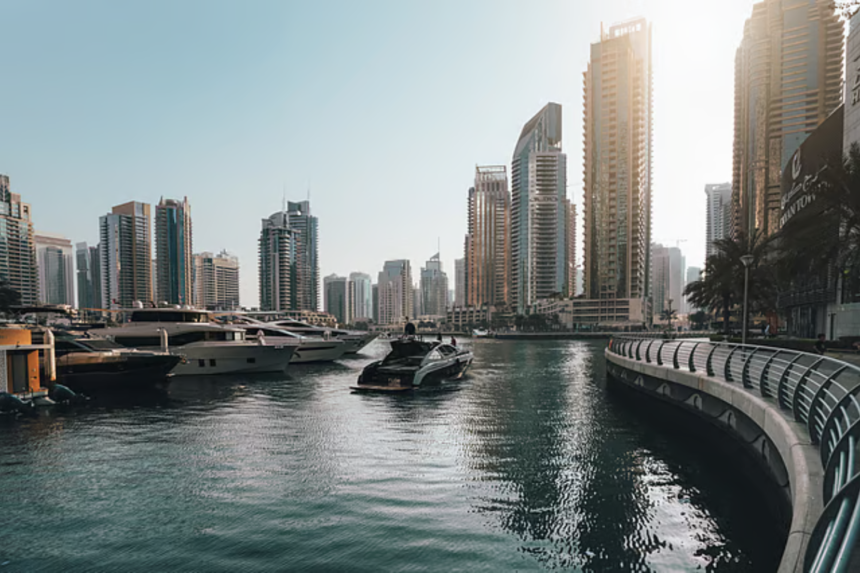
- Dubai Marina for waterfront living and high-rise residential towers.
- Jumeirah Beach Residence (JBR) for beachfront apartments and resort-style amenities.
- Palm Jumeirah for premium villas, branded residences, and luxury developments.
- Dubai Hills Estate and Arabian Ranches for family-oriented villa communities with parks, schools, and leisure facilities.
- DAMAC Hills for golf-course communities and master-planned residential developments.
- Other established communities include The Greens, Dubai Sports City, Jumeirah Golf Estates, and Jumeirah Islands.
The right location depends on whether the buyer prioritises rental income, long-term appreciation, lifestyle, or personal use.
Financing options for buyers
Dubai offers several financing solutions for residents, expatriates, and certain non-resident buyers.
Bank mortgages
Conventional mortgages remain the most common financing option. Banks generally require proof of stable income, a satisfactory credit history, and compliance with UAE lending regulations.
Current loan-to-value limits generally allow financing of:
- Up to 75% of the property value for homes priced below Dh5 million.
- Up to 60% for properties valued above Dh5 million.
Islamic home finance
Buyers seeking Sharia-compliant financing can choose Islamic home finance products, which operate through profit-sharing structures rather than traditional interest-based lending.
Developer payment plans
Many developers also provide flexible payment schedules, particularly for off-plan projects.
Post-handover payment plans allow buyers to pay part of the purchase price during construction and continue making instalments after receiving the property, reducing the need for large upfront payments.
How to buy freehold property in Dubai
Purchasing property in Dubai follows a structured legal process designed to protect both buyers and sellers.
1. Plan your budget
Before selecting a property, buyers should calculate the total acquisition cost, including the purchase price, registration fees, brokerage commission, mortgage expenses, and other transaction costs.
2. Choose the right property
Research different communities carefully by considering factors such as schools, healthcare facilities, transport links, rental demand, planned infrastructure, and future development potential.
A qualified real estate professional can help buyers compare investment opportunities and identify properties that match their objectives.
3. Work with a RERA-registered broker
Always deal with brokers licensed by the Real Estate Regulatory Agency (RERA).
Registered brokers understand Dubai’s property regulations, negotiate on behalf of buyers, and help manage legal documentation throughout the transaction.
4. Verify the developer
When purchasing an off-plan property, confirm that the developer is registered with the Dubai Land Department (DLD).
Construction progress and project information can also be monitored through the Dubai REST application.
The property purchase process
The legal transfer generally involves four main stages.
Draft the sale agreement.
The broker prepares the initial agreement outlining the purchase price, payment terms, property details, and responsibilities of both parties.
Sign the Memorandum of Understanding
The buyer and seller sign the Memorandum of Understanding (Form F), which sets out the agreed terms of the transaction.
At this stage, buyers usually provide a security cheque equal to 10% of the purchase price, held by the brokerage until completion.
Obtain the No Objection Certificate
The developer issues a No Objection Certificate (NOC), confirming that all outstanding service charges have been settled and approving the ownership transfer.
Complete the transfer
The final transfer takes place at a Dubai Land Department Trustee Office or the DLD itself.
Buyers generally need to provide:
- Passport and Emirates ID.
- Original Form F.
- Original No Objection Certificate.
- Manager’s cheque covering the purchase amount.
- Payment for applicable registration fees.
Costs to consider
In addition to the property price, buyers should budget for the following expenses:
- Dubai Land Department transfer fee: 4% of the property value.
- Administrative fee: Dh580.
- Property registration fee:
- Dh2,000 plus 5% VAT for properties below Dh500,000.
- Dh4,000 plus 5% VAT for properties above Dh500,000.
- Title deed issuance fee: Dh250.
- Real estate agent commission: Typically 2% of the purchase price.
Mortgage registration charges and bank valuation fees may also apply where financing is used.
Why due diligence matters
Before completing any transaction, buyers should verify property ownership, review all contractual documents carefully, and ensure that payments are made only to the party listed on the title deed.
Buyers who are not comfortable reading contracts in Arabic or English should also consider using a professional translator to avoid misunderstandings before signing legal documents.
A market built for long-term ownership
Dubai’s freehold property market continues to attract investors seeking capital appreciation, rental income, and long-term residency opportunities.
With transparent regulations, strong legal protections, flexible financing options, and an expanding range of residential communities, freehold ownership remains one of the most accessible ways for international buyers to invest in Dubai’s real estate market.
Understanding the legal process, working with licensed professionals, and conducting thorough due diligence can help buyers complete their purchase confidently while protecting their long-term investment.