



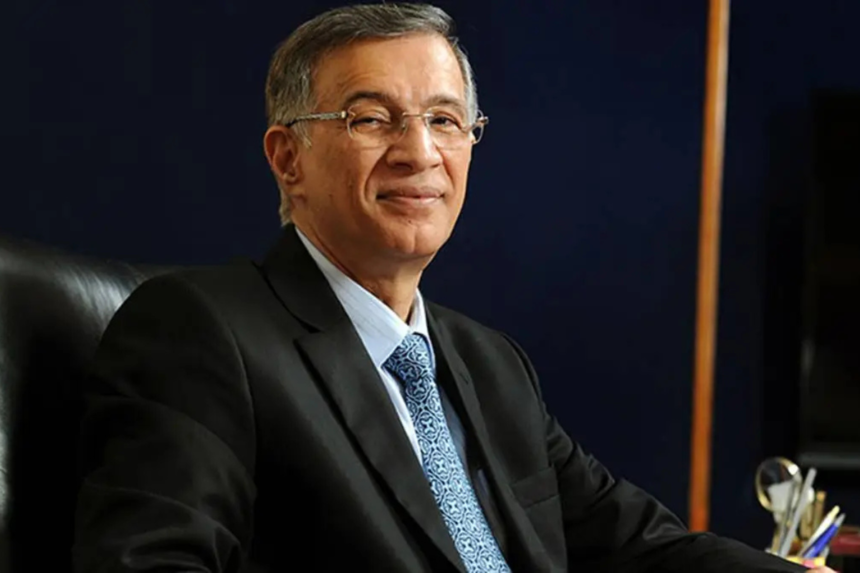
The Hiranandani Group founder transformed a former quarry in Powai into one of India’s most successful integrated townships.
When India’s real estate industry talks about integrated township living, one name inevitably enters the conversation: Niranjan Hiranandani.
Long before “live-work-play” became a popular development model, Hiranandani was building self-sustaining communities that combined homes, offices, schools, healthcare, retail, and public spaces within a single ecosystem.
Today, integrated townships are common across India. Four decades ago, they were a radical idea.
The Bet That Changed Indian Real Estate
In 1985, Niranjan Hiranandani and his brother Surendra acquired approximately 250 acres of land in Powai, Mumbai, a neglected quarry area that few developers considered attractive.
At the time, Mumbai’s real estate market was largely focused on standalone residential projects.
Hiranandani saw something different.
Instead of building isolated apartment towers, he envisioned a complete urban ecosystem where residents could live, work, study, shop, and access healthcare without leaving the neighborhood.
That vision became Hiranandani Gardens, one of India’s most successful integrated townships.
Creating a New Urban Model
The success of Powai was not driven solely by real estate development.
It was driven by urban planning.
The township incorporated:
- Residential towers
- Commercial offices
- Retail districts
- Educational institutions
- Hospitals
- Parks and public spaces
At a time when infrastructure challenges plagued most Indian cities, Hiranandani Gardens offered a planned urban environment.
The model became a blueprint for township development across India.
Transforming Powai Into a Premium Destination
What was once considered peripheral land has become one of Mumbai’s most desirable residential and commercial districts.
The transformation created enormous value for residents, investors, and businesses.
The township later attracted global institutional capital. In 2016, the Hiranandani brothers sold a portion of their commercial and retail assets in Powai to Brookfield Asset Management in a deal valued at approximately $1 billion.
The transaction demonstrated the long-term value created through the integrated township model.
Beyond Powai
Following the success of Hiranandani Gardens, the group expanded the township concept across multiple cities.
Projects in Thane, Panvel, Chennai, and Gujarat continued the philosophy of creating complete communities rather than standalone developments.
The company’s township developments now span residential, commercial, healthcare, education, logistics, and infrastructure segments.
Hiranandani Communities continues to expand its footprint, including large-scale developments in Chennai’s Oragadam corridor, where the company is targeting approximately ₹4,000 crore in revenue from ongoing and upcoming projects.
Building Beyond Real Estate
One reason Niranjan Hiranandani stands apart from many developers is his diversification strategy.
Under his leadership, the group expanded into:
- Healthcare
- Education
- Hospitality
- Energy
- Data centers
The company gained significant recognition through Yotta Infrastructure, including the development of large-scale data center facilities.
This diversification transformed the group from a real estate developer into a broader infrastructure and services platform.
The Numbers Behind the Legacy
The scale of Hiranandani’s achievements is reflected in both wealth creation and industry recognition.
According to Forbes, Niranjan Hiranandani’s estimated net worth stood at approximately $1.4 billion, placing him among India’s wealthiest real estate entrepreneurs.
More importantly, his influence extends beyond personal wealth.
He helped introduce a development model that reshaped how Indian cities think about growth, planning, and community creation.
A Lasting Impact on Indian Urban Development
Many developers build projects.
Few change the way an industry thinks.
Niranjan Hiranandani’s greatest contribution may not be the towers he built or the wealth he created. It is the idea that successful cities require integrated communities where infrastructure, lifestyle, education, healthcare, and commerce work together.
Today, as India’s urban population continues to expand, integrated township development remains one of the country’s most important real estate trends.
The foundation for that movement was laid decades ago on a 250-acre quarry in Powai.
Read more news, and follow us on Instagram
Image: FE