
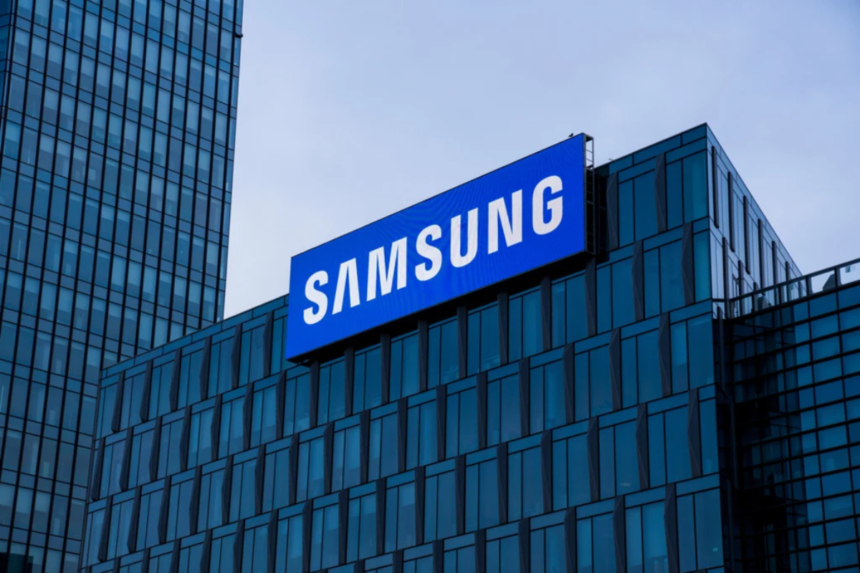
Major firms, including Samsung and LG, implement measures to reduce power consumption.
Major South Korean conglomerates, including Samsung, SK Group, LG, and Lott,e are rolling out strict energy-saving measures across domestic operations.
The actions come as the South Korean government pushes conservation amid growing concerns over energy supply instability linked to the prolonged conflict involving the United States and Iran.
Internal Controls to Cut Energy Use
Companies are introducing operational restrictions aimed at reducing non-essential consumption.
Samsung has implemented vehicle usage limits on a rotational basis, reduced lighting in non-work areas by half, and tightened internal audits to eliminate wasted electricity, including standby power and idle systems.
SK Group and other conglomerates are adopting similar frameworks, including transport restrictions, lighting cuts, and stricter energy monitoring across facilities.
These measures reflect an immediate response to potential supply disruptions rather than long-term structural changes.
Heavy Dependence on Oil Imports
South Korea’s vulnerability stems from its reliance on imported energy.
Roughly 70 percent of its crude oil passes through the Strait of Hormuz, making the country highly exposed to geopolitical disruptions in the region.
Compounding this risk is the structure of its power grid, often described as an “energy island,” meaning it cannot import electricity from neighboring countries during emergencies.
Economic Pressure Already Visible
The energy shock has begun to reflect in financial markets.
The KOSPI recorded its steepest two-day decline on record following the escalation, while the national currency weakened to levels last seen during the global financial crisis.
In response, the government has proposed a 25 trillion won support package and introduced price controls on refined petroleum products, marking the first such intervention since 1997.
Risks to Semiconductor and AI Supply Chains
The implications extend beyond domestic consumption into global supply chains.
South Korea is a critical hub for semiconductor production, with companies such as SK Hynix and Samsung supplying a significant share of memory chips used in artificial intelligence and cloud infrastructure.
Energy instability poses a direct risk to chip manufacturing, where an uninterrupted power supply is essential.
At the same time, supply chain vulnerabilities are emerging in raw materials. South Korea sources a large portion of key inputs, such as bromine from Israel and helium from Qatar, both regions affected by geopolitical tensions.
Early Signs of Industrial Disruption
The pressure is already visible in the chemicals sector.
LG Chem has declared force majeure on certain exports, citing an inability to meet supply obligations due to external disruptions.
This has downstream effects across industries, from plastics to automotive manufacturing, highlighting how energy shocks can cascade through production systems.
Government Turns to Stopgap Measures
To manage the situation, authorities are restarting nuclear reactors and easing restrictions on coal-fired power plants.
These steps are aimed at maintaining short-term stability while reducing immediate dependence on imported fuels.
However, they also underline the structural challenge facing the country’s energy model.
A Structural Wake-Up Call
The current crisis is exposing deeper vulnerabilities in South Korea’s energy strategy.
Heavy reliance on external fuel sources, combined with limited grid flexibility, creates systemic risk during geopolitical disruptions.
The situation is likely to accelerate long-term investments in renewable energy and energy independence, as both government and industry seek to build resilience against future shocks.
🔗 Source: Segye Ilbo