


Supreme Court Examines Menstrual Leave Petition
India’s Supreme Court is examining a petition that seeks legally guaranteed menstrual leave for women and female students across the country.
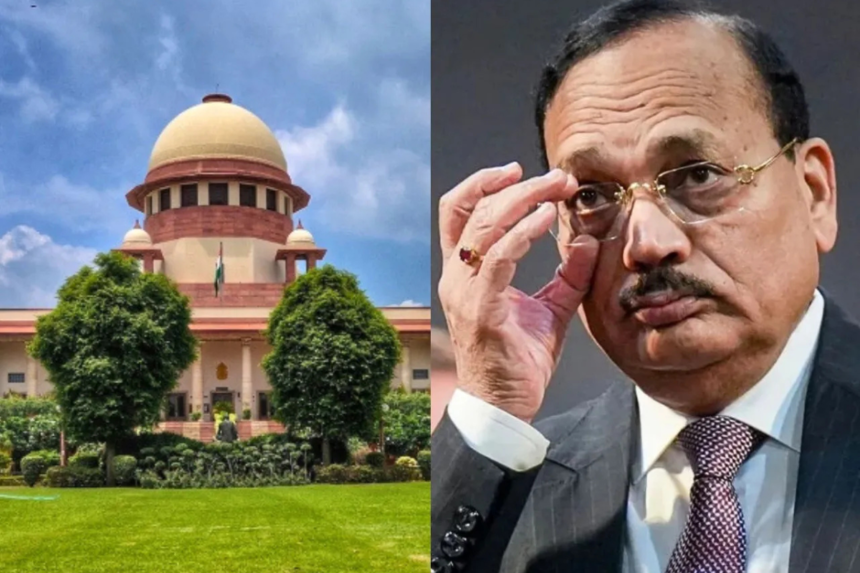
During the hearing, Chief Justice of India D.Y. Chandrachud raised concerns that making menstrual leave mandatory could unintentionally harm women’s employment opportunities.
The court heard arguments from lawyer Shailendra Mani Tripathi, who filed the petition asking the judiciary to direct state governments to frame rules granting paid menstrual leave.
Concerns Over Hiring Bias
While acknowledging the importance of awareness around menstrual health, the chief justice warned that a legal mandate could trigger unintended consequences in the labor market.
“Creating awareness and sensitization is different,” he said. “But the moment you bring in a law mandating menstrual leave, nobody will hire them.”
According to Chandrachud, some employers might view mandatory leave policies as an additional burden and therefore hesitate to recruit women.
Psychological Impact on Workplace Perception
The chief justice also cautioned that mandatory menstrual leave could reinforce negative stereotypes about women’s capabilities.
He argued that portraying menstruation as a reason for legally mandated absence might create a perception that women are less capable in professional environments.
“These pleas are made to create fear,” he told the court, suggesting that such measures could unintentionally strengthen misconceptions about women in the workforce.
Bench Highlights Market Realities
Justice Joymalya Bagchi, who was also part of the bench, said policymakers must consider how labor markets respond to workplace regulations.
“Affirmative action in respect of females is constitutionally recognized,” Bagchi said.
However, he noted that additional workplace obligations might make employers reluctant to hire candidates if they perceive higher operational constraints.
“The more unattractive the human resource, the less is the possibility of assumption in the market,” he added.
Petition Seeks Nationwide Policy
The petition calls for a national framework ensuring menstrual leave for women and girls in workplaces and educational institutions.
Supporters argue that menstrual leave would address health and comfort issues faced by many women during their monthly cycles.
Advocates say such policies would promote dignity and help create more supportive workplaces.
Existing Menstrual Leave Policies
While India does not have a national menstrual leave policy, several institutions have already introduced such measures voluntarily.
In 2023, the Kerala government allowed menstrual leave for women students in state-run universities.
At the time, Chief Minister Pinarayi Vijayan said the decision reflected the state’s commitment to building a gender-just society.
Some private companies across India have also adopted menstrual leave policies as part of their workplace benefits.
Voluntary Policies vs Legal Mandates
During the hearing, senior advocate M.R. Shamshad highlighted these existing initiatives.
However, Chief Justice Chandrachud emphasized that voluntary corporate policies differ significantly from mandatory law.
“The moment you say ‘compulsory in law’, nobody will give them jobs,” he said.
He warned that employers could respond by avoiding hiring women altogether if they believed legal obligations would affect productivity.
Broader Legal Context
The discussion comes months after the Supreme Court addressed menstrual health in another case.
In January, a bench led by Justices J.B. Pardiwala and R. Mahadevan recognized menstrual hygiene as an integral component of a girl child’s right to life, dignity, health, and education.
That ruling emphasized the importance of improving access to sanitation and awareness around menstrual health.
Ongoing Policy Debate
The debate around menstrual leave continues to evolve globally, with some countries and companies experimenting with workplace policies addressing menstrual health.
In India, the Supreme Court’s current deliberations highlight the challenge of balancing gender equity, workplace realities, and public health concerns.
The court has yet to decide whether it will issue directions on the petition seeking a nationwide menstrual leave framework.