



Iran’s envoy Mohammad Fathali says vessels heading to India will be allowed to transit the key shipping route.
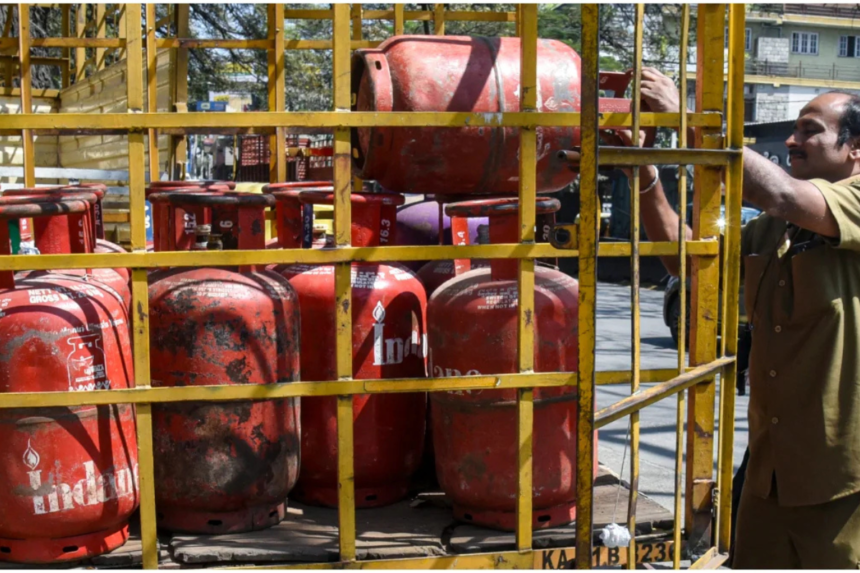
An LPG tanker heading to India has successfully crossed the Strait of Hormuz, offering a temporary sign of stability amid rising tensions in the Middle East.
Sources confirmed that the vessel transited the strategic waterway without incident earlier today. Another tanker carrying LPG to India is expected to follow shortly.
The development comes as the ongoing conflict between the United States and Iran continues to disrupt energy routes and global shipping activity.
Iran Promises Safe Passage for India
Iran’s Ambassador to India, Mohammad Fathali, confirmed that vessels bound for India will be allowed to move through the Strait of Hormuz.
Speaking to reporters, Fathali described the decision as a reflection of the longstanding relationship between the two countries.
“Iran and India are friends. We have common interests and a common fate,” he said.
He added that Iran intends to ensure safe navigation for ships traveling to India despite the regional tensions.
Strategic Importance of the Strait
The Strait of Hormuz is one of the world’s most critical energy shipping routes.
Roughly one-fifth of global oil supplies pass through the narrow waterway, which connects the Persian Gulf with international markets.
Because the strait is only about 50 kilometres wide in places and has relatively shallow waters, it is particularly vulnerable to disruption during geopolitical conflicts.
Since the escalation of hostilities in the region, several oil tankers and energy shipments have faced delays or rerouting.
India’s Energy Dependence
India relies heavily on global energy markets to meet its domestic demand.
About 50 percent of the country’s natural gas requirements are imported, and around 20 percent of those imports come from Qatar.
Recent attacks on energy infrastructure in the region have created uncertainty in gas supply chains across Asia.
QatarEnergy, one of the world’s largest exporters of natural gas, temporarily halted production after missile strikes targeted gas facilities in Qatar.
Government Says Energy Situation Stable
Despite regional disruptions, Indian officials say the country’s energy supply remains stable.
During an inter-ministerial briefing, Sujata Sharma, Joint Secretary at the Ministry of Petroleum and Natural Gas, said India has diversified its crude import routes.
More than 70 percent of India’s crude oil imports now move through routes outside the Strait of Hormuz, reducing exposure to potential blockades.
India’s status as the world’s fourth-largest oil refiner also provides additional flexibility in maintaining fuel supplies.
LPG Supply Increased
Authorities said domestic LPG production has increased by 28 percent to support supply stability.
Officials reported that LPG cylinder bookings recently surged due to panic buying, but emphasized that there is no shortage of LPG in the country.
The government urged residents to avoid panic purchasing as supplies remain sufficient.
New Energy Priority Guidelines
To manage energy distribution effectively, the Ministry of Petroleum has introduced new guidelines regulating natural gas supply across sectors.
Under the new framework, the government has categorized consumption into four priority sectors, ensuring essential services continue to receive energy during supply disruptions.
Global Energy Markets Remain Volatile
The situation in the Strait of Hormuz continues to influence global energy markets.
Since the conflict began, several tankers have remained stranded in the region as shipping companies reassess risks.
The waterway’s strategic importance means any prolonged disruption could affect oil and gas supplies worldwide.
For now, Iran’s assurance of safe passage for India-bound vessels provides limited relief for energy importers navigating a volatile geopolitical environment.
Source; NDTV