



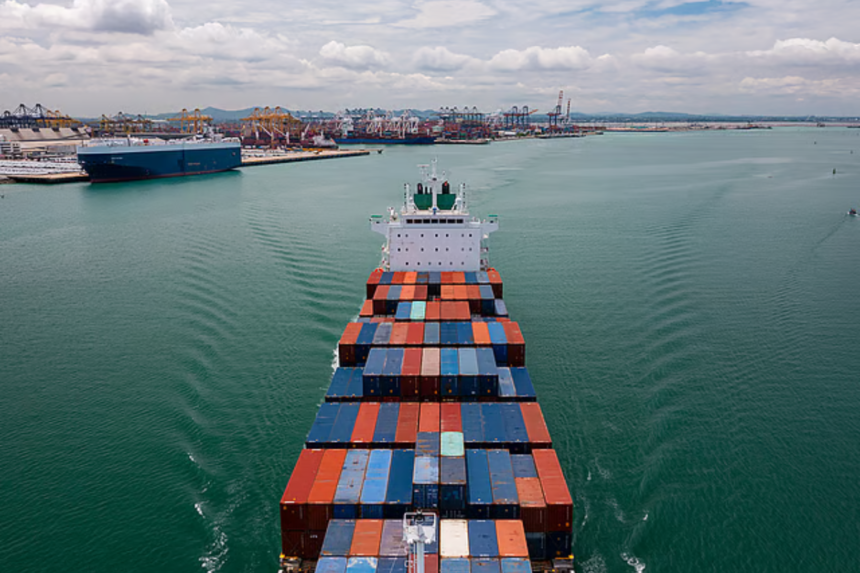
Rising fuel and freight charges may ultimately push consumer prices higher worldwide.
The ongoing conflict involving Iran is increasing global shipping costs, and those increases will eventually reach consumers, according to the chief executive of shipping company Maersk.
Vincent Clerc told the BBC that higher fuel and logistics costs are already affecting freight prices.
The company’s pricing system automatically adjusts charges when fuel costs rise. As a result, higher transport expenses pass through supply chains and ultimately reach shoppers.
Oil Prices Drive Freight Rate Increases
Fuel remains one of the highest operating costs for container shipping.
Crude oil prices surged close to $120 per barrel after the conflict began and remain about 20 percent higher than pre-war levels.
Clerc said the increase adds roughly $200 to the cost of transporting a standard 20-foot container, raising freight rates by 15 to 20 percent depending on the route.
Shipping Routes Disrupted
The conflict has disrupted several major maritime corridors.
Traffic through the Strait of Hormuz, which normally carries around one-fifth of global oil supplies, has slowed sharply.
Shipping companies are also avoiding routes through the Red Sea due to security threats.
Many vessels now travel around the Cape of Good Hope, significantly increasing travel distance and operating costs.
Supply Chains Face Pressure
The longer routes and higher fuel costs are creating logistical challenges across global supply chains.
Some companies are using trucks and rail networks to maintain deliveries in affected regions.
However, these alternatives cannot replace the capacity of large container ships.
Shipping companies are prioritizing essential cargo such as food supplies to keep markets stable.
Diplomatic Solution Needed
Governments, including the United States and France, have proposed naval escorts to protect commercial shipping.
Clerc said such measures may offer short-term support but are unlikely to provide a permanent solution because the Strait of Hormuz is narrow and close to the Iranian coastline.
He said restoring safe navigation will ultimately require a diplomatic resolution that allows commercial vessels to move freely through the region.
Disruption Continues
Shipping data shows the scale of the disruption.
More than 130 vessels were reported stranded in the Gulf earlier this week as companies reassessed routes and security risks.
If the conflict continues to affect key maritime corridors, higher freight costs could spread through global supply chains and increase the prices consumers pay for everyday goods.
Higher shipping costs triggered by the conflict involving Iran are expected to be passed on to consumers worldwide, according to Vincent Clerc, chief executive of Maersk.
Shutterstock
Source: Gulf News