



A Brand Built on Trust
India’s consumer market has seen countless digital-first brands emerge in the last decade. Many arrive with aggressive discounts and loud marketing campaigns. Few survive long enough to build lasting credibility.
Mamaearth followed a different path.
The brand, part of Honasa Consumer, focused on building trust while expanding distribution gradually. Instead of relying only on marketing campaigns, the company emphasized product consistency and repeat purchases.
That approach helped the brand grow into one of India’s most visible direct-to-consumer success stories.
The Origin Story Behind the Brand
The company’s founding narrative remains simple and effective.
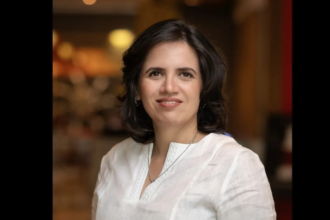
Ghazal Alagh and Varun Alagh created Mamaearth after struggling to find toxin-free products for their baby. Varun brought experience from the FMCG sector, while Ghazal focused on product innovation and brand building.
The story positioned the brand as a solution built by parents for parents. In consumer behavior terms, the baby-care category carries strong emotional trust. When parents rely on a brand for their child, that trust often extends to other household products.
Mamaearth used this insight to establish credibility early.
Expanding Beyond Baby Care
A D2C brand that remains trapped in its launch category rarely becomes a large company.
Mamaearth expanded beyond baby care into skincare, haircare, and personal care products. The move transformed the brand from a niche offering into a broader consumer goods platform.
Once customers trusted the brand with baby products, they were more willing to try other categories.
Innovation as a Core Function
Ghazal Alagh serves as Co-founder and Chief Innovation Officer at Honasa Consumer. The role reflects the company’s emphasis on continuous product development.
In high-growth consumer brands, product innovation often determines long-term success. Marketing attracts customers, but product experience determines whether they return.
Mamaearth maintained a steady stream of product launches while using digital channels to gather consumer feedback.
The Shift Toward Omnichannel
Another critical step in the company’s growth involved distribution.
While Mamaearth began as a digital-first brand, it gradually expanded into offline retail. Physical availability reduces purchase hesitation and strengthens credibility in consumer markets.
By mid-2024, the brand had reached nearly two lakh retail outlets across India. Offline channels also increased their share of revenue significantly over three years.
This shift required building relationships with distributors, retailers, and stockists across the country.
Certification and Credibility
Mamaearth also emphasized product safety and certification.
The company positions itself as Asia’s first MADE SAFE-certified brand. These certifications signal adherence to global safety standards and help address consumer concerns about ingredient transparency.
In a market where consumers increasingly question marketing claims, such certifications support long-term credibility.
Balancing Growth and Scale
Mamaearth’s growth reflects a balance between digital agility and traditional FMCG distribution.
The brand entered a crowded “natural products” market yet pursued large-scale expansion instead of remaining a niche premium label.
It began with digital customer acquisition and later invested heavily in offline distribution infrastructure.
These choices illustrate how D2C brands evolve when they transition from startup momentum to institutional scale.
Beyond Visibility
For Mamaearth, the challenge now lies beyond visibility.
Digital marketing can create awareness quickly. Sustaining growth requires operational discipline, reliable distribution networks, and consistent product performance.
As Honasa Consumer continues refining its distribution strategy, the company faces the ongoing task of maintaining the speed of a digital brand while operating at the scale of a traditional consumer goods company.
That balance often determines which D2C brands become lasting institutions and which remain temporary campaigns.
Source: Business Connect