


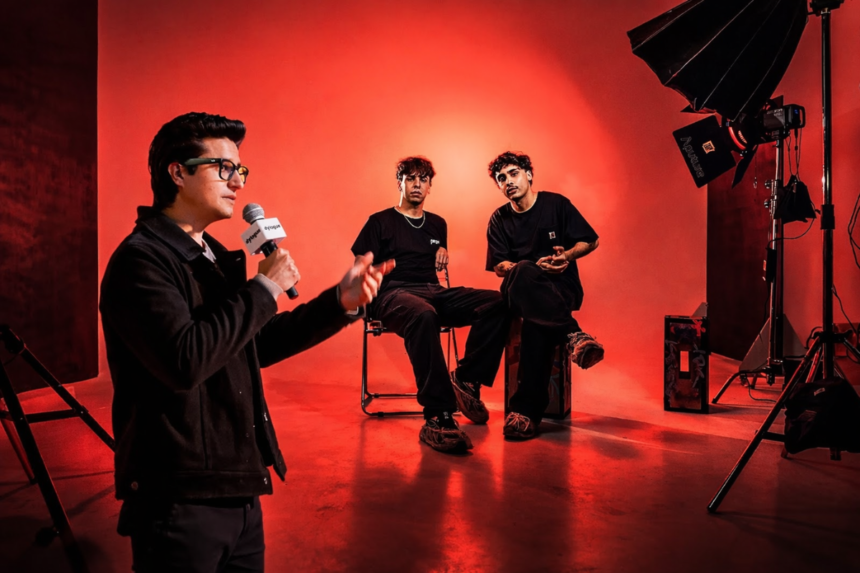
In India, booking a creative space rarely begins with a platform. It begins with scattered searches.
Photographers scroll through Google listings with limited detail. Filmmakers message Instagram pages and wait for replies. Workshop organizers call vendors individually. Prices get negotiated over phone calls. Availability gets confirmed manually. Payments happen through patchwork arrangements.
The system functions, but it lacks structure.
Spare Space, a Delhi NCR-based startup, is building a centralized marketplace to bring order to this fragmented ecosystem. Often described as an Airbnb-style platform for creative spaces, the company allows users to discover, evaluate, and book hourly venues through one integrated interface.
The Insight: Supply Exists. Structure Does Not.
The idea did not take shape overnight.
Before launching publicly, the Spare Space team spent nearly a year manually managing inquiries, onboarding hosts, and studying behavioral patterns. They spoke directly with photographers, studio owners, and workshop organizers. One issue surfaced repeatedly. Discovery and coordination felt unnecessarily complex.
Khayat Chakerverty, the founder, comes from a creative industry background with over five years of experience across production environments in India and abroad. During that time, he observed that booking small hourly rental spaces consumed disproportionate effort.
At the same time, his experience as an Airbnb host exposed him to rental yield optimization, guest expectations, and operational challenges on the host side. That dual exposure shaped Spare Space into a two-sided marketplace designed to serve both creators and property owners.
The conclusion was direct. India does not lack studios or training rooms. It lacks coordination.
Replacing Fragmented Discovery with a Structured System
Traditional discovery remains inefficient. Search engines provide surface-level information. Instagram pages require direct negotiation. Pricing transparency remains inconsistent. Amenities and permitted activities often remain unclear until late in the conversation.
Spare Space centralizes this process.
The platform enables bookings for photo shoots, film productions, workshops, meetings, auditions, and small creative events. Users filter by location, capacity, price range, amenities, and allowed activities. Real-time availability insights reduce uncertainty. Transparent hourly pricing eliminates negotiation cycles.
Moreover, the system integrates search, booking, and secure digital payments into one workflow. Depending on host preference, bookings can be instant or approval-based.
As a result, creators spend less time coordinating logistics and more time executing projects.
Giving Hosts Operational Control
On the host side, the challenges differ but remain structural.
Many space owners struggle with low discoverability and underutilized hours. They track bookings through spreadsheets or notebooks. They collect advances manually. Last-minute cancellations create financial instability.
Spare Space addresses these gaps through a digital management dashboard. Hosts maintain full control over pricing, availability, and cancellation policies. The system collects 100 percent upfront payments, reducing commitment risk. Automated transfers simplify settlement processes.
In addition, hosts track earnings and manage bookings without paperwork or repeated follow-ups.
The platform shifts space management from informal coordination to structured revenue operations.
Embedding Trust into the Marketplace
Marketplaces scale only when participants trust the system.
Spare Space integrates ID verification, continuous behavior monitoring, review systems, and structured trust signals for both guests and hosts. Early credibility emerged through brand-level shoots, including a founder brand shoot for Typsy Beauty founder Kairavi.
The company currently operates across Delhi NCR and expects to exceed 140 live listings in Delhi by March 2026. Over the next six months, the startup plans to deepen penetration in the region before expanding into Bengaluru and Mumbai.
Beyond Spaces: Building Creative Infrastructure
While the immediate focus remains on hourly creative venues, the long-term roadmap extends further.
Spare Space intends to integrate equipment rentals, on-ground freelancers, creative service providers, and infrastructure support into the same ecosystem. The broader objective involves building structured infrastructure around creators rather than limiting the platform to space discovery.
“Any space can be used for any activity,” says Chakerverty.
That statement reflects the underlying thesis. Underutilized physical spaces already exist. When paired with structured digital systems, they convert into a scalable opportunity.
Khayat Chakerverty
Source: ISN