


The 2026 Winter Olympics in Milan-Cortina will host nearly 2,900 athletes across 116 events. For most, Olympic glory does not translate into financial security. Training, travel, coaching, and recovery costs often exceed prize earnings.
But a small group arrives in Italy already operating at an elite commercial scale. Their income is driven not just by performance, but by endorsements, league contracts, and global brand equity.
Here is a breakdown of the highest earners across five headline winter sports.
Freestyle Skiing: Eileen Gu
Estimated earnings: $23 million
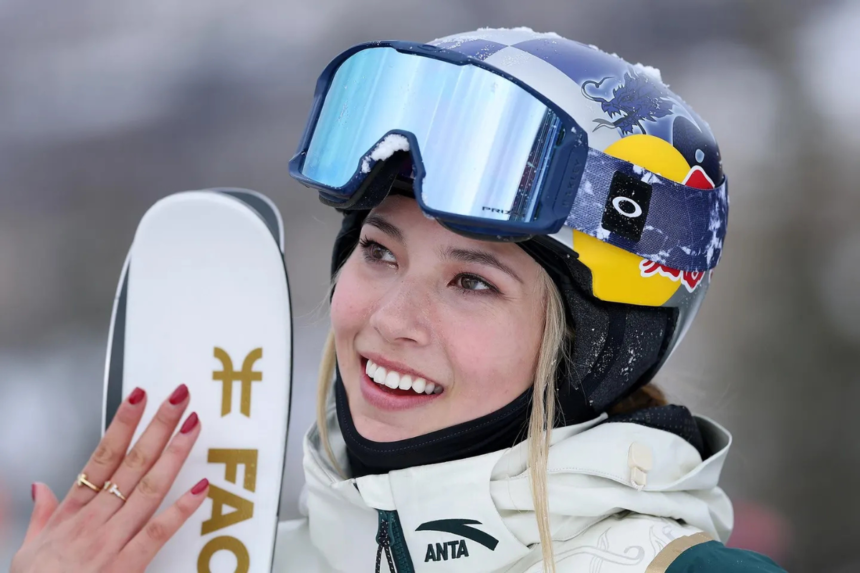
Gu enters Milan as the highest-paid athlete at the Games. The American-born skier, representing China, generates roughly $23 million annually from endorsements, dwarfing her prize winnings.
Her portfolio includes major Chinese brands such as Anta, Bosideng, Mengniu Dairy, and Luckin Coffee. On the slopes, she defends Olympic gold in big air and halfpipe while chasing slopestyle redemption.
Her commercial model is clear. Dominate culturally. Monetize globally.
Hockey: Auston Matthews
Estimated earnings: $20 million
The NHL returns to Olympic competition for the first time since 2014, bringing league-level salaries to the Games. Matthews, captain of the Toronto Maple Leafs and Team USA star, earns more than $15 million in salary plus roughly $5 million in endorsements.
Brands include Nike, Prime, Uber Eats, and Mito Red Light.
The financial structure here differs from Olympic-only sports. League contracts provide baseline wealth. The Olympics amplify a profile.
On the women’s side, Hilary Knight approaches $1 million in annual income through partnerships, reflecting the rising commercial viability of women’s hockey.
Alpine Skiing: Lindsey Vonn
Estimated earnings: $8 million
At 41, Vonn remains commercially dominant. Despite injury setbacks, she continues to command partnerships with brands including Delta Air Lines, Land Rover, and Rolex.
Her long-term brand equity exceeds her current competitive output. Longevity pays.
Close behind is Mikaela Shiffrin at roughly $7 million annually, reflecting a surge in endorsement value since 2022.
Snowboarding: Chloe Kim
Estimated earnings: $4 million
Kim returns as a two-time Olympic halfpipe champion with strong commercial positioning. Sponsors include Breitling, Monster Energy, and Nike.
In snowboarding, personality and youth culture drive value as much as medals.
Australia’s Scotty James follows at approximately $3 million, illustrating the global spread of sponsorship in action sports.
Figure Skating: Ilia Malinin
Estimated earnings: $700,000
Known as the “Quad God,” Malinin is redefining technical limits in men’s figure skating. The first to land a quadruple axel in competition, he represents the next commercial wave in the sport.
His endorsement base includes Coca-Cola, Samsung, and Honda. Earnings remain modest compared to skiing and hockey stars, but breakout Olympic moments can shift that rapidly.
The Broader Financial Landscape
Olympic prize money alone rarely creates wealth. National medal bonuses vary dramatically:
- U.S. gold medal bonus: $37,500
- Italy: Up to approximately $213,000
- Some nations: Close to $800,000 for gold
Additionally, U.S. athletes will receive long-term financial support following a $100 million endowment gift distributed across Olympians and Paralympians.
Still, endorsements remain the true multiplier.
Winter sports lack the NBA-scale salaries of Summer Games athletes. Yet for those who build cross-border brand narratives, the economics can rival mainstream leagues.
The Milan Cortina Games will crown champions. A few will also strengthen commercial empires already built long before the opening ceremony.
Read more news, and follow us on Instagram
Ezra Shaw/Getty Images
Source: Forbes