



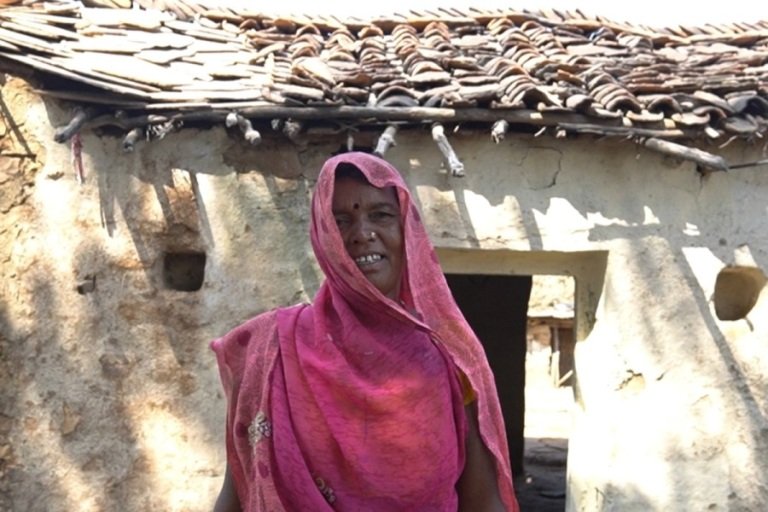
Across rural India, water scarcity shapes daily life. Erratic rainfall, groundwater depletion, and climate variability have intensified pressure on communities. In districts like Chhatarpur in Madhya Pradesh, the crisis is not only environmental. It is social and economic, and women carry the heaviest load.
For decades, women in the Bijawar block walked long distances to fetch water. Hours spent carrying pots reduced time for farming, household work, and income-generating activities. Agricultural productivity declined as irrigation became unreliable. An Integrated Water Conservation Response
Anandana, the philanthropic arm of Coca-Cola India, partnered with local NGO Haritika to implement an integrated water conservation initiative in Bijawar.
The project focused on constructing ponds, stop dams, and irrigation infrastructure to improve water storage and recharge groundwater. The approach linked water access directly with agriculture and livelihood resilience rather than treating it as an isolated resource intervention.
Improved storage capacity, stabilised irrigation, and reduced dependency on distant water sources.
Impact on Women’s Lives
For residents such as Devi, Kalawati, and Bhagrani, the intervention altered daily routines.
Kalawati, 22, from Ganeshganj, previously carried water over long distances. Access to nearby water reduced physical strain and freed up hours each day.
Devi, 60, from Patna village, recalled frequent treks to canals. With new water infrastructure, those journeys became unnecessary.
For Bhagrani, a 65-year-old farmer from Jharkuwa, the construction of a village pond directly increased crop yield. Higher productivity strengthened household income and reduced the need for wage labour outside the village.
The financial stability allowed her to support her daughter’s education, demonstrating how water access intersects with long-term social mobility.
Agricultural Revival and Economic Stability
Farming remains the backbone of Bijawar’s rural economy. Reliable irrigation has improved cropping intensity and output. Increased yield translates into higher and more predictable income.
Community discussions indicate broader socio-economic improvements following pond and stop dam construction. Households report improved planning capacity, reduced migration pressures and enhanced dignity in daily life.
Water Stewardship and Long-Term Sustainability
The initiative aligns with Coca-Cola India Foundation’s focus on water stewardship and community water security. By strengthening local water storage and promoting efficient use, the programme aims to reduce vulnerability to climate variability.
The model connects environmental restoration with women’s empowerment and rural economic growth. It integrates infrastructure development with social impact.
Water Stewardship and Long-Term Sustainability
The initiative aligns with Coca-Cola India Foundation’s focus on water stewardship and community water security. By strengthening local water storage and promoting efficient use, the programme aims to reduce vulnerability to climate variability.
The model connects environmental restoration with women’s empowerment and rural economic growth. It integrates infrastructure development with social impact.
Beyond Infrastructure
The transformation in Bijawar extends beyond physical assets. It reflects a shift in agency.
Women who once spent hours securing water now allocate time to farming, household management, and education. Access to water becomes access to opportunity.
The Coca-Cola India Foundation water conservation initiative demonstrates how targeted, locally implemented water infrastructure can reshape rural economies and strengthen women’s roles within them.
Bhagrani, resident of Jharkuwa
credit: The CSR universe.