


A Decade In, the Questions Have Changed
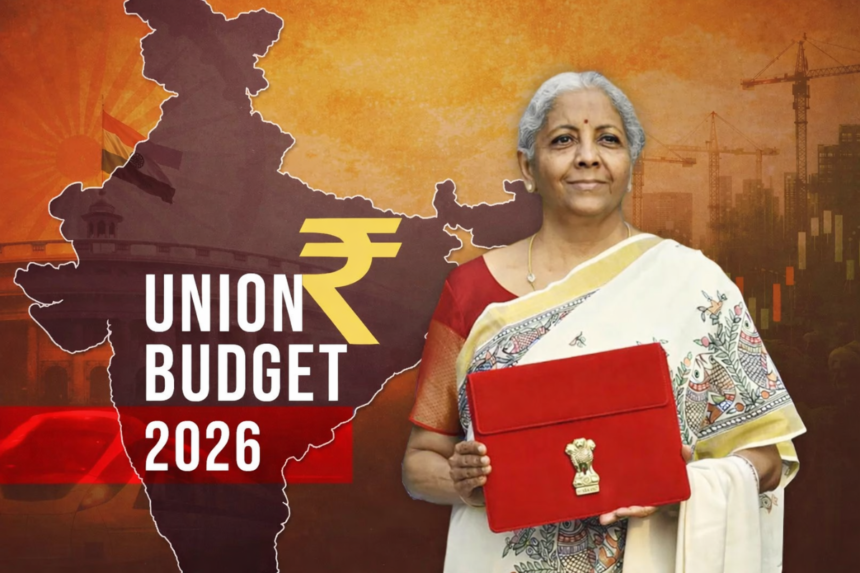
As India heads into Union Budget 2026, to be presented by Nirmala Sitharaman, the conversation around startups has matured. Ten years after Startup India was launched, scale is no longer the benchmark of success. Sustainability is.
With more than 2 lakh startups and over 125 unicorns, India has proven it can create companies. Founders and venture capitalists now want policies that help those companies endure, innovate, and compete globally.
Founders Want Less Friction, Not More Incentives
For founders building consumer and D2C brands, regulatory friction has replaced funding scarcity as the biggest constraint.
Saumya Alagh, Founder of Truth & Hair, points to GST complexity and inter-state compliance as persistent drains on time and focus. She argues that ESOP taxation reform is critical, since equity remains the most practical way to attract senior talent without burning capital.
Beyond taxes, she calls for R&D-linked incentives, access to advanced machinery, and innovation in manufacturing and packaging. Competing globally, she notes, demands quality across the entire value chain.
Ritoban Chakrabarti, Founder of Japam, adds that simplifying GST and TDS filing frequencies alone would materially ease pressure on early-stage startups.
Tier-2 and Tier-3 Founders Need Structural Support
Outside metros, the challenges are more basic and more structural.
Pujan Kachhadiya, Founder of MYPB, highlights the burden of ESIC and PF compliance, high verification costs, and slow-moving government grants. He proposes relaxed compliance norms for small-town startups, faster grant disbursals within 30–45 days, and a national digital employee registry to reduce hiring friction.
To slow talent migration, he suggests incentives for professionals who choose to work with startups in their home districts rather than relocating to large cities.
GST Inversion Is Eroding Margins Silently
Several founders flagged India’s inverted GST structure as a deeper policy flaw.
Yash Kalra, Founder of Goat Life, explains that startups often sell products at 5 percent GST while paying 18 percent GST on services such as advertising and technology, without refunds on service-related input tax credits.
This creates a permanent margin loss of roughly 13 percent. Allowing ITC refunds on services, he argues, is essential for startup viability from day one.
Sector-Specific Reality Checks
In agritech and allied sectors, founders want policymakers to rethink assumptions.
Abhijeet Naohate, Founder of Corel Lifecare, urges the government to view farmers as entrepreneurs. He stresses that technology adoption depends as much on logistics, cold chains, and affordable credit as on sensors or software.
In consumer and pet-care businesses, Akshay Mahendru, Founder of Nootie by Pet Point, says founders are not afraid of regulation. They are afraid of unclear regulation. Predictable ESOP taxation at liquidity and better access to early-stage capital would significantly improve confidence, he says.
VCs Call for Policy That Matches Startup Timelines
From the venture capital side, the ask is consistency.
Siddarth Pai, Founding Partner, CFO, and ESG Officer at 3one4 Capital, says Budget 2026 should prioritise carry-forward of losses and ESOP tax deferment for all DPIIT-recognised startups, even after they cross current thresholds.
He argues that India’s ESOP framework still mirrors listed-company rules. Taxing ESOPs at exercise based on book value and allowing founder ESOPs with shareholder approval would align India with global standards.
Pai also warns that deeptech timelines of 9–15 years do not fit within current Startup India definitions, calling for longer tenures and patient capital frameworks.
Deeptech and Capital Need Continuity
VCs acknowledge recent progress but want follow-through.
Surya Mantha, Managing Partner at Capria Ventures, welcomes the push on deep and frontier technologies through the RDI framework but calls for clearer AIF norms to attract long-term domestic capital.
Anil Joshi, Founder and Managing Partner of Unicorn India Ventures, sees Budget 2026 as a chance to unlock early-stage funding through clear tax rules, meaningful ESOP reform, and globally aligned fund structures, especially for deeptech and climate startups.
Signs of Momentum, If Stability Follows
Archana Jahagirdar, Founder and Managing Partner of Rukam Capital, points to encouraging moves such as the ₹1 lakh crore RDI Fund, state-level startup policies, and recent GST cuts that have boosted demand in semi-urban and rural markets.
What founders now need, she says, is stability. Clear rules, simpler compliance, easier listings, and stronger incentives for domestic capital at the earliest stages.
What Budget 2026 Must Signal
As Startup India enters its second decade, the ecosystem is not asking for shortcuts. It is asking for clarity.
On ESOPs. On GST. On capital access. On deeptech timelines.
If Union Budget 2026 addresses these fundamentals, India can move beyond startup creation toward building long-lasting, globally competitive companies.
Follow us on Instagram and stay updated with our current news