


The Malampaya East-1 gas find has reopened a national conversation around energy security in the Philippines. Announced this week, the discovery could strengthen local supply, reduce fuel imports, and ease long-term pressure on power costs.
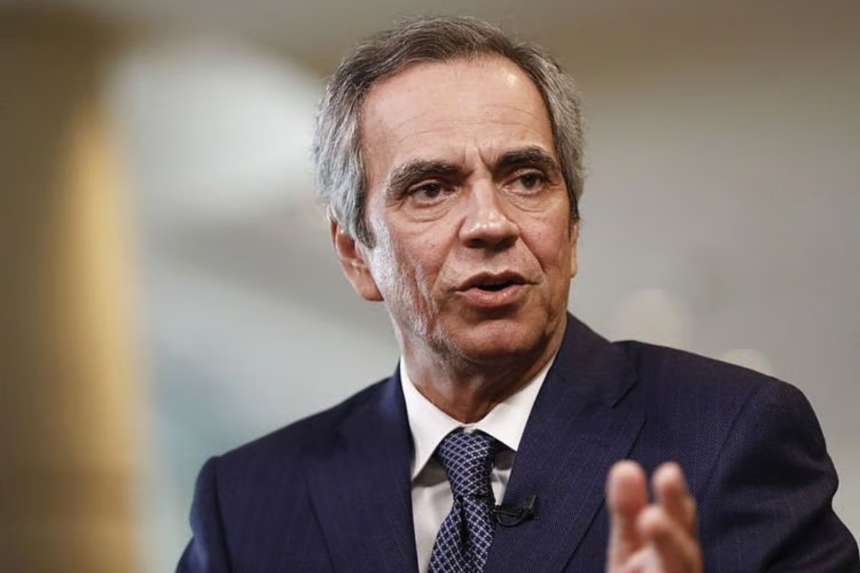
Behind the project stands Enrique Razon Jr, a businessman better known for ports and infrastructure than energy headlines. At 65, Razon’s involvement reflects a steady expansion into sectors that underpin national systems rather than a sudden shift in strategy.
Learning the business from the ground up
Razon entered working life early. At 17, he earned minimum wage as a cargo handler in Manila’s port operations. He moved freight, waited at anchorages, and learned logistics through daily repetition.
His father avoided special treatment and placed him in demanding roles. Those early years shaped Razon’s belief that leadership begins with operational understanding, not position.
That principle stayed with him as his responsibilities grew.
A family shaped by maritime trade
Born on March 3, 1960, Razon grew up in a Spanish-Filipino family closely tied to shipping and port operations. From an early age, maritime trade shaped his surroundings. His grandfather founded a port services business in 1916, which his father later rebuilt after World War II, laying the foundation for the family’s long-standing role in the sector.
Despite that background, Razon did not follow a conventional academic path. Although he briefly studied business at De La Salle University, he chose to step away from formal education. Instead, he prioritised hands-on experience, believing that scale, efficiency, and risk management could only be mastered inside working systems rather than classrooms.
Scaling ports across continents
Razon’s business profile expanded through International Container Terminal Services Inc, formed in 1987 to bid for the Manila International Container Terminal.
After winning the concession in 1988, the company expanded overseas, often entering emerging markets during periods of instability. Even the 1997 Asian financial crisis failed to reverse that trajectory.
Today, ICTSI operates in over 30 locations across nearly 20 countries, reinforcing Razon’s reputation for long-term infrastructure investment.
From logistics to national systems
By early 2026, Forbes placed Razon’s net worth at $14.4 billion, reflecting growth driven largely by long-term infrastructure assets rather than short-term speculation.
While ports remain central to his business, Razon has steadily widened his portfolio. Over time, his investments expanded into utilities, hospitality, and energy. This shift reflects a broader focus on assets tied to national resilience, rather than returns that rise and fall with economic cycles.
Why Malampaya East-1 changes the picture
Against that backdrop, Razon’s entry into the energy sector marks a strategic progression. His involvement comes through Prime Infrastructure, which leads the Malampaya East-1 drilling programme.
If developed successfully, the gas find could strengthen domestic supply and reduce dependence on imported fuel. As a result, it supports long-term energy planning and greater price stability.
At the same time, Razon has publicly expressed interest in small modular nuclear energy, signalling an approach built around diversification. Rather than relying on a single source, his strategy points toward a balanced and more secure energy mix.
A career built on timing and discipline
Razon’s trajectory follows a consistent pattern. He studies systems closely. He invests with patience. He expands when fundamentals align.
The Malampaya East-1 gas find fits that arc. It does not mark a sudden pivot, but the continuation of a strategy built over decades.
As development moves forward, the discovery highlights how long-term infrastructure thinking, not short-term opportunity, placed Razon at the centre of one of the Philippines’ most significant recent energy developments.
Follow us on Instagram and stay updated with our current news
Credit: Bloomberg